Golden Front, Silver Back: Broad Mind and Noble Traits
Physiognomy includes various popular sayings that capture the meanings behind certain facial features.

1. A prominent forehead suggests wealth, while a pronounced back of the head signifies nobility; a wide head indicates someone of high status.
A prominent forehead refers to a full forehead, often called a "well-rounded heavenly court," and those with this feature are thought to enjoy good fortune and wealth, akin to the value of gold. A pronounced back of the head, known in some circles as an "exotic bone protrusion," symbolizes substantial wealth and nobility, akin to silver. A wide head implies a well-rounded shape, suggesting that the person is born into affluence and does not need to strive for it.
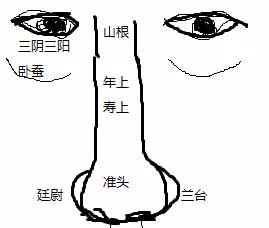
2. Lack of flesh beneath the eyes indicates potential childlessness.
The area beneath the eyes, referred to in physiognomy as the "three yin and three yang," or the male and female palaces, is believed to influence fertility. If this area appears to have a grid-like pattern or looks dry and dark, it is often considered a sign of childlessness. A full male and female palace usually features pronounced "sleeping worms" (natural under-eye bags). According to both traditional and ancient physiognomy, individuals with these traits typically have favorable outcomes in relationships and careers. It is said that those with "sleeping worms" are often intelligent, capable, and filial, possess strong family bonds, and tend to receive assistance from influential people.
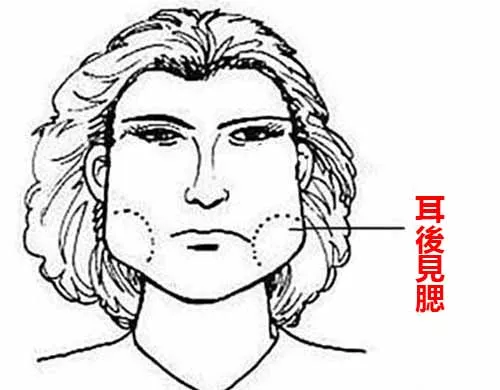
3. Round and plump cheeks suggest a tendency to be exploited.
Round and plump cheeks refer to cheeks that protrude outward, often described as "seeing the cheeks behind the ears," colloquially known as "reverse bone." Engaging with such individuals may bring harm, as they are known to repay kindness with ingratitude and capitalize on others. Traditional physiognomy views these individuals as heartless and easily lured by profit, making them unreliable. Thus, the saying warns, "If you see cheeks behind the ears, avoid interaction."