Discover True Character Through the Eyes: Lao Yi Guides You with 'The Divine Mirror of Ma Yi: Ode to the Supernatural'
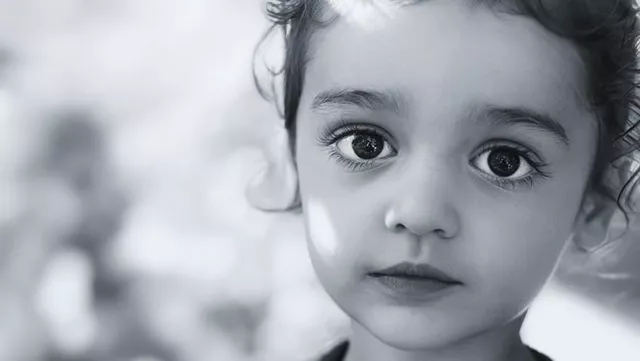
In our last issue, we explored the saying "A square and round foundation ensures a prosperous old age." The chin is said to reflect a person's fortune in their later years, with "square" and "round" chins being the most desirable shapes for a happy and fulfilled old age. (To view the previous article, click here.) This issue, we delve into "A balanced gaze reflects a just heart." A balanced gaze means that when a person looks at something, their line of sight remains steadfast and upright, symbolizing honesty, strong morals, and the fair, judicious handling of matters.
Eyes can reveal much about a person's character. In ancient times, the "pupil" was said to show the distinction between good and evil, and firmness and gentleness. Thus, a "balanced gaze" reflects a fair and just nature, with inner righteousness and mindfulness aligned with the moral and ethical standards of contemporary society, indicating a truly just heart.
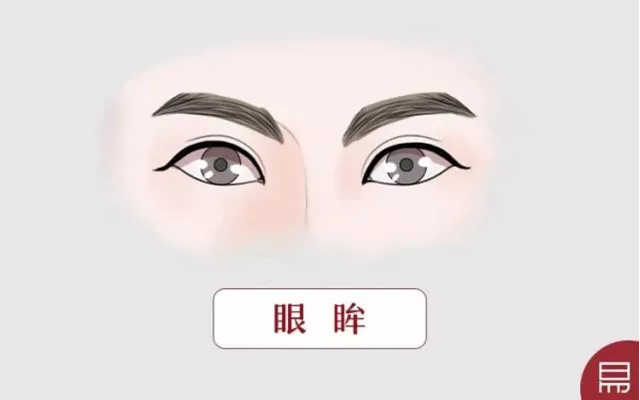
What does "a balanced gaze" entail? It means maintaining a consistent angle between the direction of gaze and head position, whether looking straight ahead, to the sides, or behind. When looking forward, the head remains steady in alignment with the gaze. In looking up, down, or to the sides, the head moves naturally with the gaze. The line of sight should always follow the direction faced by the head. When changing direction, the head should turn with the sight, not just the eyes.

(Looking Up) (Looking Down)
If only the eyes move while the head remains stationary, it results in a sideways squint and when looking back, what is often termed a "wolfish gaze" suggesting cunning. Therefore, it's crucial that gaze and head movements are synchronized: the head tilts back when looking up, bows when looking down, turns when looking to the side, and the body twists when looking behind.

(Looking Left and Right) (Looking Back)
Individuals who maintain a balanced gaze, whether in thoughts or interactions, often embody integrity and morality. They strictly adhere to rules, value trust, and ethics, making them trustworthy partners in business or life. On the contrary, those who frequently look up may be perceived as arrogant, those who look down may harbor ulterior motives, those who squint might possess immoral intentions, and those with a wolfish gaze tend to be cunning. It's advisable to avoid deep engagements with such individuals, as they may not be beneficial.
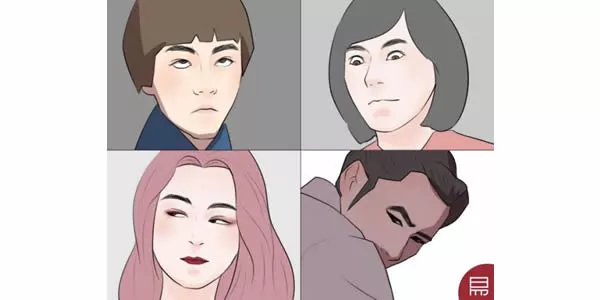
(Looking Up) (Looking Down) (Squinting) (Wolfish Gaze)
For women, squinting can be particularly concerning as it suggests a lack of integrity and selfishness, making harmonious relationships challenging. For men, a wolfish gaze is most troubling, indicating cunning, while those looking down may conceal deep-seated schemes.
Therefore, when interacting with others, especially when meeting new acquaintances, it's essential to observe their gaze and expressions. Often, these subtle actions can reveal a person's true character.