Five Facial Features That Could Indicate Future Greatness in Children
A person's appearance is inherent, a reflection of the "fine traditions" passed down from their parents. Everyone is distinct, and society often draws lines between beauty and unattractiveness. Yet, in the eyes of parents, their child is always the "most beautiful" one. If you criticize your child, have you ever considered how the parents of "Lei Zhenzi" and "Ba Jie" might feel?
Returning to the topic, we often hear the saying "beauty comes from within" in life. "Appearance" refers to the physical manifestation of all things in the world, including a person's facial features and overall look. A person's character and temperament can influence their words, actions, emotional state, and facial expressions. The face acts as a mirror to these emotions, showing various habitual expressions. Thus, a person's character and disposition are often reflected in their face.
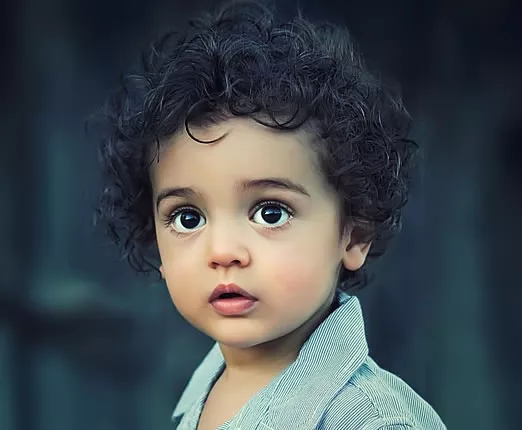
First Type: Full Forehead
I recall a line from the comedy sketch "Blind Date 2" by Zhao Benshan and Song Xiaobao: "A full forehead, a square jaw." Here, "forehead" refers to a person's forehead, and a "full forehead" signifies a prominent and well-developed forehead, which symbolizes good fortune.
If a child has a relatively full forehead, it suggests they have an open mind. As adults, they generally don't nitpick in their interactions, handle challenges methodically, and are quite adaptable. They have their own approach and are skilled at recognizing and sincerely praising the strengths of others. They understand that acknowledging others' strengths can help compensate for their own weaknesses and propel them forward. Focusing solely on others' flaws can make it difficult to connect with others, leading to self-centeredness and stagnation.
Additionally, children with full foreheads tend to be good listeners and usually have strong social skills. They listen patiently without imposing their views, an important asset in social interactions. Naturally, a full forehead is also an innate characteristic. Such children are often individualistic, cheerful, lively, and active. Parents can encourage this by taking their children out to explore and observe the world, allowing them the freedom to develop without too much interference when they are focused on something.
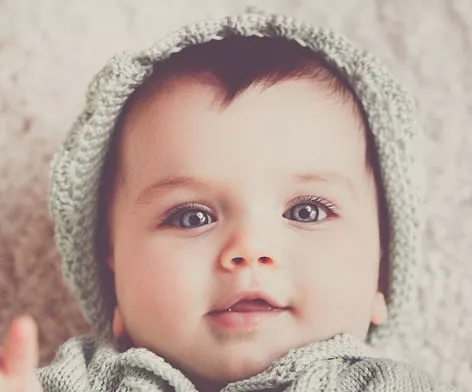
Second Type: Clear Eyebrows and Bright Eyes
The eyes are the windows to the soul, capable of expressing a wide range of emotions. They are the most direct means to convey inner feelings. Well-defined eyebrows, when paired with bright eyes, indicate a person of notable qualities, as eyebrows can reflect emotional traits.
Typically, children with clear eyebrows and bright eyes are easygoing and empathetic, with a wide circle of friends. They get along well with various kinds of people. They tend to easily win others' affection, possess a broad mindset, and dislike nitpicking. They have forgiving hearts and are skilled at self-regulation when faced with challenges, quickly realigning their mindset and converting negative emotions into strength. These children are generally kind-hearted, compassionate, and innovative. Parents can foster their love and sense of responsibility by encouraging them to care for small animals or pets from a young age, aiding their development.

Third Type: Plump Nose Tip
The nose is the central feature of the face, often deemed the "king of the face." The saying goes, "a plump nose tip indicates a kind heart." Generally, children with a plump nose tip are kind and open-minded, showing patience and tolerance towards people and situations. Because of this disposition, they have a broad circle of friends and strong relationships, receiving support and help from peers. These children exhibit courage and responsibility in life, not shying away from their shortcomings. They are capable of analyzing and resolving issues, although they often have a strong sense of self-esteem. Thus, parents should avoid public criticism and instead guide them patiently to prevent damaging their self-esteem.
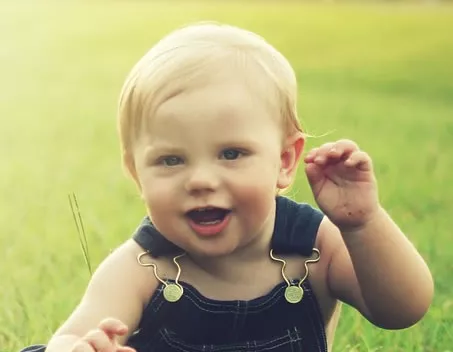
Fourth Type: Chubby Cheeks
A person's overall build can often be gauged by the fullness of their face. Generally, children with chubby cheeks are warm-hearted and can share both joy and sorrow with friends and family. They tend to be honest and sincere, always willing to help others without expecting anything in return. They embody the principle of "give respect, and you'll receive even more." These children have their own opinions and actively explore the unknown, motivated by action. Once they set a goal, they strive continuously towards it, even if it's by making small steps each day. Although they might feel down when facing setbacks, they never give up on themselves.
These children often have leadership potential. Parents can nurture this by assigning them roles like "household manager" or "logistics officer" at home, helping them cultivate leadership skills.
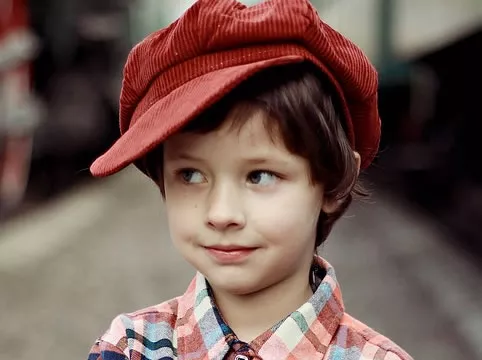
Fifth Type: Upturned Corners of the Mouth
People generally appreciate children with upturned corners of the mouth because they often carry a smile. This not only shows warmth towards others but also serves as a reminder for themselves that they are capable and the best.
Typically, children with upturned corners of the mouth have a cheerful demeanor and don’t get easily upset. They maintain passion and enthusiasm for life, work, and relationships. They face life’s challenges with a positive and optimistic attitude. Worries and troubles tend not to weigh them down because they can easily self-regulate their emotional changes, allowing positivity to lead while preventing negative emotions from affecting their life and work. As a result, they often lead a joyful life.
These children are often a source of joy for those around them. However, parents should stay attentive to their children's emotional changes in their early years to avoid an accumulation of negative emotions. Proper education and guidance are essential.
Children who possess these five facial features might not necessarily have the highest IQ, but their emotional intelligence is typically quite high. I've highlighted some successful role models to illustrate this. However, achieving success like theirs requires not just these "innate traits," but also personal effort, parental guidance, and ongoing learning. We should provide children with a nurturing environment and employ a scientific and humane educational model to develop their potential. Constant cultivation, encouragement, and support are the greatest responsibilities and obligations we owe to our children, enabling them to become excellent and successful individuals.