Can You Determine Heart Health by Appearance? Facial Features That May Indicate Risk!
The heart functions as the engine of the human body, essential for all bodily functions by pumping blood. However, it's also one of the organs most vulnerable to harm. Each year, heart diseases like coronary artery disease, heart failure, and arrhythmias claim countless lives.
Before experiencing palpitations or chest pain, heart disease might manifest changes in your "appearance." Learning to recognize these changes can help you detect early signs of heart disease, potentially saving your life when it matters most.
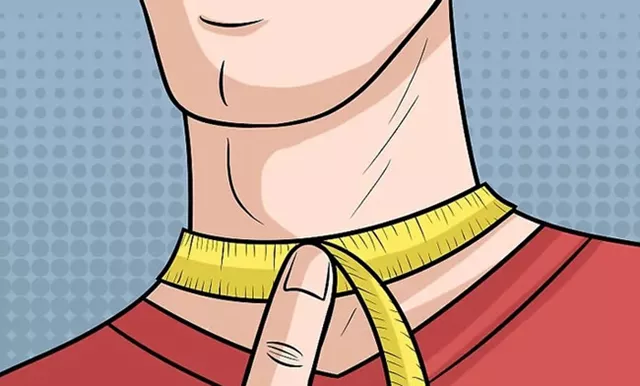
1. Thickening of the Neck
Clinical evidence indicates that individuals with thicker necks often have higher blood pressure, blood lipids, and blood sugar levels, all of which are closely linked to heart disease. Typically, if a man's neck circumference surpasses 39 cm or a woman's exceeds 35 cm, it's considered a thicker neck.
Regularly checking your neck circumference is advisable. To measure, place a measuring tape horizontally at the upper edge of the seventh cervical vertebra (the most prominent point at the back of your neck when you tilt your head downward) and extend it to just beneath the Adam's apple. If your measurement is above the standard, you can perform neck exercises during your free time, such as nodding forward, backward, side to side, or rotating your neck 360 degrees to reduce neck fat accumulation.
2. Facial Swelling
While it's normal for individuals to experience facial swelling after drinking too much water before bed or eating excessively salty foods, which usually subsides with dietary changes, abnormal swelling should not be ignored. If your face appears swollen, the muscle tissue feels loose, and pressing with your fingers leaves indentations that don't quickly bounce back, it may signal heart issues and warrants seeking medical attention.
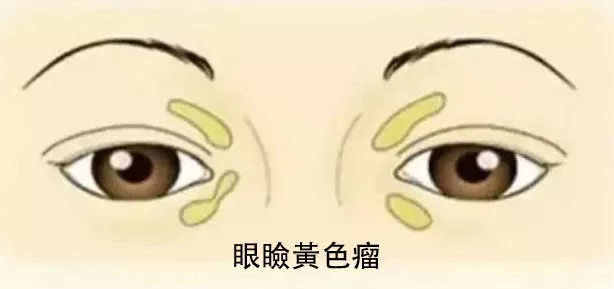
3. Xanthomas on Eyelids
For middle-aged and older adults, the appearance of small yellow lumps (typically the size of a grain of rice or soybean) around the eyes can indicate lipid metabolism disorders, a significant risk factor for heart disease. These xanthomas are common in people in their 40s and 50s, primarily caused by elevated low-density lipoprotein (bad cholesterol) that leads to subcutaneous fat accumulation.
4. Fatigue or Insomnia
Many female patients report unusual fatigue and weakness in the week leading up to a heart attack, with some experiencing sleep disturbances beforehand. Thus, if you suddenly feel excessively fatigued or experience sleeping difficulties, consider whether there might be an issue with your heart.
5. Shortness of Breath
Feeling out of breath after climbing a flight of stairs when this wasn't previously an issue may be a warning sign of heart problems. Difficulties with breathing while lying down can also be a symptom of heart valve disease.
6. Gastrointestinal Issues
A sudden onset of indigestion or vomiting without warning can be a precursor to a heart attack. In the absence of food poisoning, these symptoms should raise suspicion of heart issues, as heart failure patients may also experience a loss of appetite.
7. Unexplained Excessive Sweating
If you find yourself suddenly sweating excessively without an obvious cause, it's important to consider the possibility of a heart problem. A marked reduction in cardiac output and heightened sympathetic nervous system activity can lead to the sweating symptoms associated with heart attacks.
8. Jaw Pain
Typical angina begins behind the sternum, where patients feel chest pressure along with burning, squeezing, and tightness. Discomfort can also occur in the arms, neck, shoulders, upper abdomen, back, or jaw. Therefore, don't ignore unexplained pain in these areas of your body.

9. Bluish Lips
If your lips have a bluish or purplish tint, it may indicate heart problems linked to inadequate blood circulation. You should seek medical attention if you notice this symptom. Flushed cheeks may be a sign of mitral valve stenosis, as increased systemic blood pressure and decreased blood oxygen levels can lead to a purplish rash on the face.
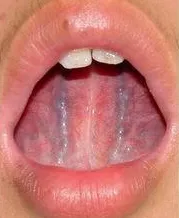
10. Darkening of the Sublingual Veins
Individuals with cardiovascular diseases may exhibit a dark purple tongue or lips with bruising due to impaired blood circulation, leading to venous congestion and decreased blood oxygen levels.
If you notice bruising on your tongue accompanied by symptoms such as palpitations, shortness of breath, or even insomnia and vivid dreams, this may indicate cardiovascular disease. Accompanying dizziness or headaches could suggest cerebrovascular disease. Do not take these symptoms lightly; seek a medical evaluation promptly to prevent unexpected emergencies that could impact both your finances and your life.