Detailed Analysis of Sixteen Ear Types with Illustrations
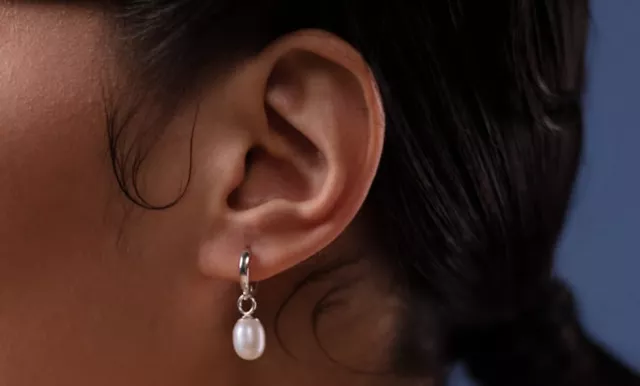
Below is a graphical analysis of sixteen types of ear shapes, presented by Sanliu Fengshui:
1. People with small ears are typically cautious, lack self-confidence, and are often sensitive and anxious. They might not have strong relationships with elders or mentors. However, as they mature, they become more adept at handling matters. Extremely small ears might indicate a tendency to be easily influenced, a lack of assertiveness, and some eccentric behaviors.
2. Individuals with large ears are generally quick-witted, possess good memory, and are not impulsive. They are generous and avoid conflicts but enjoy flattery and attract many mentors throughout their lives. They also have a tendency to care for the less fortunate.
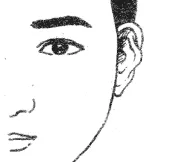
3. People with protruding inner ear contours, referred to in physiognomy as "wheel flying contour," often face numerous challenges in their youth and can be quite stubborn, with fluctuating emotions. Nonetheless, they are hardworking and proactive, largely relying on their own efforts, and they tend to enjoy good luck when away from home.
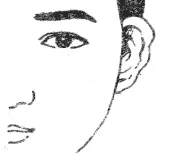
4. Those with ears that have notches, called "flowering ears," often endure a challenging childhood and may face various health issues. Their life path is filled with ups and downs, usually building success from scratch through their own determination.
5. People with soft ears tend to be easygoing, prefer simplicity, and typically avoid confrontations, although they can be easily swayed. While they may have had health issues in childhood, they often receive excellent care from elders as they grow.
6. Individuals with firm ears are usually proactive, physically strong, and sometimes stubborn and headstrong. In their youth, they often prefer making their own decisions and may not heed advice. As adults, they navigate affairs more smoothly and adapt well to their surroundings.
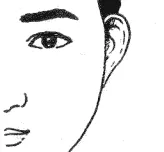
7. People with thin ears and no earlobes often lead reclusive and willful lives and might be sensitive and suspicious, which can result in misjudgments based on what others say. While they may feel spiritually empty in their youth, positive facial features can still lead them to achieve success through their efforts later in life.
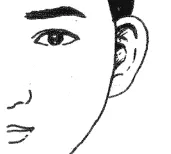
8. Individuals with thick and full ears conduct themselves with principle, honor commitments, and can be somewhat stubborn yet enthusiastic and sincere. Women with thick ears often find success in supporting their husbands, maintaining dignity and integrity, and valuing family harmony.
9. People whose ears are lighter in color than their face are typically healthy, intelligent, and have a broad range of interests. They are honest and generous, and if they work diligently, they can accomplish a great deal.
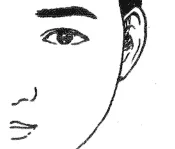
10. Those with pointed ear contours possess a strong sense of self, tend to be rebellious and indifferent, and often distrust others. They are self-centered and may face significant hardships, experience weaker family ties, and struggle to accumulate wealth.
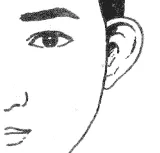
11. Individuals with "wind-catching ears" are often stubborn, have a narrow mindset, and argue based on logic. They can be somewhat neurotic and suspicious, yet are very perceptive and direct, relying heavily on their own efforts throughout life.
12. Those with fine hair growing from their ear holes are believed to enjoy a long and healthy life. If their ear holes are also wide, they are likely to be intelligent and studious, achieving much in life.
13. People with well-defined earlobes are typically optimistic and cheerful, often growing up in supportive environments or encountering benefactors along the way. They usually enjoy a prosperous and carefree later life, and those whose earlobes extend towards the mouth are especially fortunate.
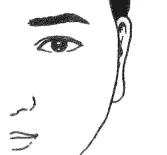
14. Those with ears close to the head are kind-hearted, thoughtful, and stable, possessing a strong sense of independence. They often achieve success through their own initiatives and accomplishments.
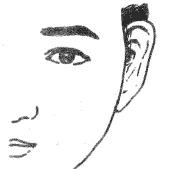
15. Individuals with high-set ears typically come from good backgrounds, are eager to learn, intelligent, and quick-witted. They frequently encounter good opportunities and support from mentors, exhibiting leadership qualities, yet may seem aloof in their interactions with others.
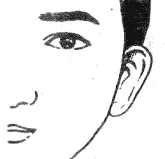
16. Those with low-set ears often learn to be self-reliant from a young age, working diligently and focusing on day-to-day matters. When they achieve success, they remain grounded and relate well with colleagues and friends, but must be cautious of becoming entangled in indulgent environments.
Images and text: Sanliu Fengshui Network