Four Remarkable Journeys: Embrace Your Unique Destiny! Join Lao Yi in 'The Divine Mirror of Ma Yi: Ode of the Supernatural'
The previous issue mainly focused on the saying, “Frequent ailments arise from a dim root; frequent good fortune comes from a nourished fortune hall.” It explained that individuals with a dark and bluish root are prone to health issues, while those with a yellow and lustrous fortune hall tend to have smooth and worry-free lives. (Click here to view the previous article.) In this issue, we will delve into the saying, “Deeply sunken tear hall, fleshy bags growing horizontally, drooping nasal tip, flat philtrum, bringing misfortune to descendants and difficulty in continuing the lineage.” This suggests that individuals with all four of these facial features may bring misfortune to their descendants. I will provide a detailed explanation below.
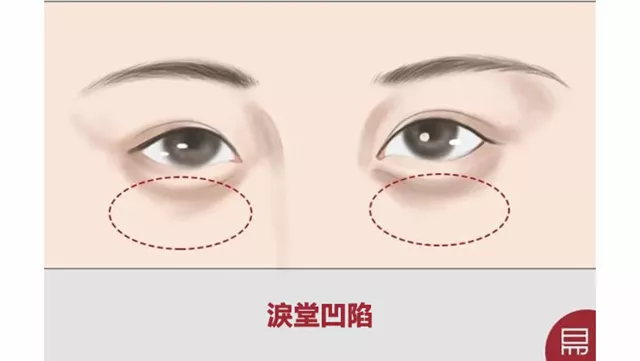
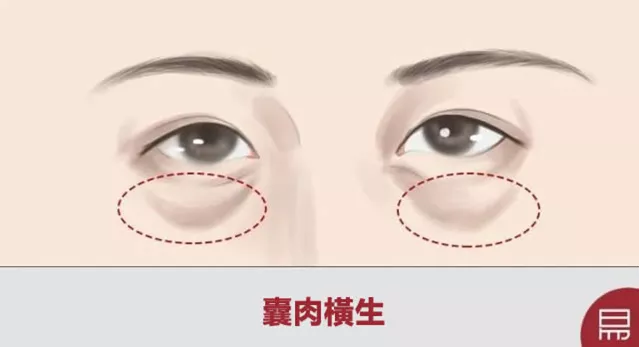
The area below the eyelids, known as the tear hall, is referred to as the “palace of children” in physiognomy. It should ideally be full and plump, not sunken. A full and moist tear hall indicates a good relationship with one's children, whereas a sunken tear hall suggests a weaker bond with offspring. Puffy lower eyelids indicate the presence of fleshy bags, which can also negatively impact the relationship with children.
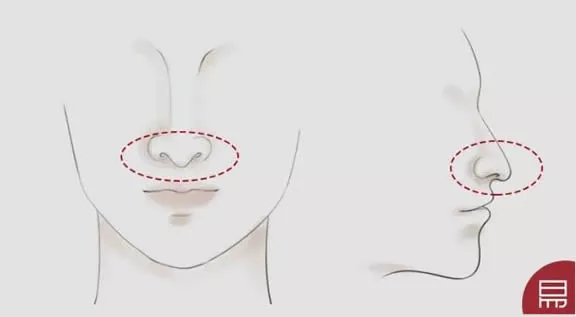
The nasal tip, or tip of the nose, should be well-proportioned and broad, not thin and drooping. A drooping nasal tip, resembling an eagle's beak, can obscure the philtrum and typically indicates a distant relationship with descendants, potentially posing disadvantages for male offspring.
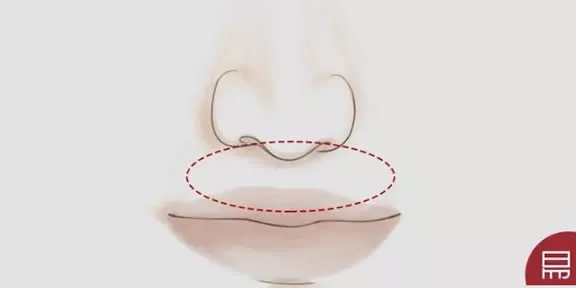
The philtrum, the groove in the center above the upper lip, is generally better when deep and long rather than flat and smooth. A deep and long philtrum usually signifies a good relationship with descendants and a full house of children, while a flat and smooth philtrum suggests unreliable offspring.
Overall, these four facial features are closely linked to the palace of children. If an individual exhibits just one of the features—deeply sunken tear hall, fleshy bags, drooping nasal tip, or flat philtrum—it suggests a weaker bond with their children, often leading to a distant and non-intimate relationship, resulting in conflicts and disagreements. However, if two or more of these features are present, especially all four, it is believed to indicate the likelihood of misfortune for descendants. In ancient times, such features were referred to as “lonely traits.”
Additionally, one can determine which life periods may be challenging for children based on these features' locations. A deeply sunken tear hall or fleshy bags suggest difficulties around the age of 30; a drooping nasal tip indicates challenges around 40; and a flat philtrum suggests issues around 50. Individuals can use these indicators to assess potential time periods that may negatively impact their children, allowing for adjustments in life and relationships with the next generation, such as maintaining a certain distance from children to mitigate adverse effects.