Detailed Analysis of the Twelve Palaces: The Servants' Palace
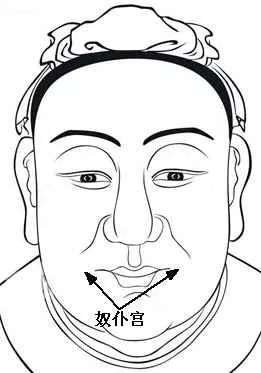
The Servant Palace is located at the lower cheeks on both sides of the chin, an area sometimes called the “hanging walls.” In physiognomy, the area below the chin is known as the Servant Palace. It sits along the lower jaw and connects with Mercury, marked by a horizontal line extending from the area known as Chengjiang (承浆).
The Servant Palace reflects friendships and relationships with subordinates, indicating good or bad fortune. A full, rosy chin without scars or dark moles, paired with a rounded, well-defined jawline, suggests a thriving career supported by loyal subordinates. By contrast, a pointed, sunken, slanted, or narrow chin—or one marked by scars or dark moles—may signal strained relations with subordinates, limited support and loyalty, and possible misfortune in later years, even if one is otherwise successful.
1. Thin, sharp cheeks
- You may struggle to find trustworthy, loyal friends and may often feel suspicious of others.
- Unfavorable fortune in later life.
2. Sunken cheeks with scars or moles
- You may have loyal subordinates yet still face criticism or false accusations from them.
- Be cautious of water-related misfortunes.
3. Square jawline
- Energetic and hardworking.
- Excellent fortune in old age.
4. Round, full cheek muscles
- Gentle temperament and a well-balanced character.
- Honest and kind-hearted, treating others well.
5. Chengjiang (the area above the upper lip)
- If there are moles in the Chengjiang area, avoid sailing and drinking alcohol, as these may lead to water-related misfortunes.
- A dull complexion in the Chengjiang area suggests a damp home, while a bright complexion indicates ample sunlight.