Chen Peng's Dream Interpretation: What Does it Mean to Dream of a Mythical Beast You've Never Seen Before?
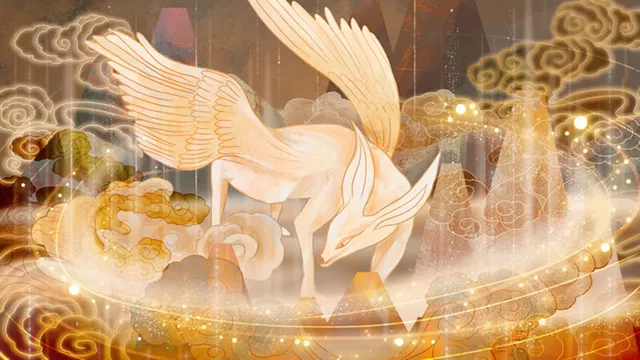
In many people’s dreams, they encounter various mysterious "divine beasts"—creatures they've never seen before either in real life or in movies, and whose names are often unknown to them. So how can one determine if such dreams are auspicious or ominous?
Dreams are influenced by the diverse cultures of the dreamers, yet they often share some common traits.
First, Assessing by Color
If the colors of the divine beast in the dream align with those considered lucky according to the dreamer’s culture, beliefs, or local customs, then the beast is seen as a harbinger of good fortune, or at least seems to be wrapped in auspiciousness. Conversely, if the colors are linked with bad luck in the dreamer’s culture, it suggests the dream may signal negative developments.
Second, Assessing by Behavior
The actions of the divine beast in the dream towards the dreamer or regarding what the dreamer intends to do are essential. Dreams inherently belong to the dreamer, and whether they are seen as positive or negative, they serve as reminders for the dreamer to take some form of action.
Most dreamers do not readily understand the meanings conveyed by the divine beasts or their actions. Chen Peng, a dream interpreter, guides how to make these evaluations.
Generally, divine beasts symbolizing good fortune not only display auspicious colors but also emit a radiant glow. Their actions can include scattering gold ingots, which indicates prosperity. If they cause withered branches to produce new buds, it symbolizes health and familial prosperity. Those that bring cheer to the sorrowful are considered to bestow blessings. They might also help couples unite, aid in conception, or assist in overcoming challenges, thereby enhancing wisdom and spiritual energy, among other benefits.
In contrast, divine beasts that symbolize bad luck often carry an aura of darkness, pollution, or lifelessness. Their actions may spread disease, cause death, or break apart couples, manifesting various ominous scenarios.
If a divine beast symbolizing good fortune bites the dreamer, does this indicate good or bad luck?
Chen Peng explains that many people have heard elders describe someone with abundant wealth as having "money biting their hands," meaning wealth is pursuing the individual, resulting in great financial success. Therefore, if a divine beast symbolizing good fortune chases or bites the dreamer, it actually means the dreamer is being prompted to embrace this good fortune.
If the divine beast in the dream shows extreme disdain or anger towards the dreamer, turns away, or even dies, it suggests that the dreamer is unable to manage this good fortune. The saying goes, "virtue does not match position," implying that the relevant good luck might diminish, or the dreamer’s fortune might decline.
When a divine beast representing good fortune merely appears, it indicates that good luck is present, but whether the dreamer can seize it depends on their actions.
Dreaming of a divine beast symbolizing bad luck barging into the home, entering an important area, entangling the dreamer, biting the dreamer, or appearing friendly towards the dreamer suggests that negative events are imminent or that adverse fortunes will intensify.
If a divine beast associated with bad luck keeps its distance, such as leaving the house or dying, it signifies that the negative fortune is beginning to dissipate, and misfortune is starting to wane.
Finally, Consider the Dreamer’s Attitude Towards the Divine Beast
Chen Peng stresses that regardless of the dream’s nature, the dreamer is the primary focus. Whether the scenarios are positive or negative, or whether the dream elements are favorable or unfavorable, if the dreamer performs well in the dream, it indicates a stronger ability to grasp good fortune and better resilience against misfortune.
For example, if a divine beast representing good fortune enters the dreamer's home, yet the dreamer feels anxious and fearful, it indicates a narrow perspective. Though the dream suggests positive outcomes, the dreamer's lack of energy might limit the duration of their good fortune.
A disciple once asked Chen Peng how to interpret the dreamer's behavior after understanding the dream.
Chen Peng responded: After learning the truth of the dream, the dreamer's reactions can vary significantly. Those who embrace the truth are more likely to attract good fortune and avoid misfortune, whereas those who ignore or reject the dream's truth may see their future aligned more with a fatalistic outcome.
For instance, Chen Peng recently consulted on a dream where a woman dreamed her partner had died and she cried heavily in the dream. The interpretation revealed that the dreamer sensed a life crisis for her husband, as several men in his family had died at a similar age (some due to accidents, others due to illnesses, but none living past a certain age). Based on facial analysis, it was determined her partner had negative energy surrounding him and needed a change of fortune. However, the dreamer responded, "He treats me poorly; maybe it's just his fate. Extending his life might only make me feel worse." Chen Peng could only sigh, saying, "It seems you have already chosen to 'cry heavily'."
The reason these creatures are termed "divine beasts" is because their energy resembles that of a deity. Therefore, when one dreams of divine beasts, the best course of action is to respect the signs they convey and take appropriate measures to invite good fortune and ward off misfortune.
Even though they are called divine beasts, they remain "beasts" and don't possess complex thoughts; it's best to follow their cues and act accordingly.