What Palmistry Signs Indicate Someone Is Not Suited to Marrying Young?
Marriage is often the culmination of one’s romantic journey, and the best time to wed differs for everyone. Some people are well-suited to marrying early, while others do better waiting, depending on personality and fate. From a palmistry perspective, the following looks at who may be less suited to early marriage and more likely to find happiness by marrying later.
I. Examining the Marriage Line
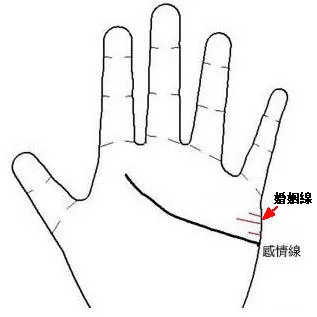
On the outer edge of the palm, beneath the little finger and above the heart line, there are several short horizontal lines. Their number and length vary, and they are believed to reflect one’s emotions and marital prospects. These lines can hint at how many marriages a person may have, how harmonious married life might be, and when marriage could occur. In palmistry, these are called the marriage lines.
1. A net-like marriage line: suited to late marriage
If the marriage line is crossed by several fine vertical lines rising from below, forming a “net-like” pattern, it suggests the person is better suited to marrying later.
2. Marriage line close to the little finger: suited to late marriage
The closer the marriage line is to the heart line, the more likely the person is to marry early. Conversely, the farther it is from the heart line—and closer to the little finger—the more favorable late marriage tends to be. If there are two marriage lines that are either extremely close or very far apart, it signals instability in love and marriage, indicating that marrying later may bring more stability.
3. Faint marriage line: suited to late marriage
People with deep, long marriage lines often mature physically earlier and enjoy interacting with the opposite sex, so they tend to marry young. In contrast, those with faint marriage lines mature later and are less focused on love and marriage during their usual marrying years. Typically, after turning thirty, as they grow more settled, they begin to consider marriage, making late marriage more likely.
II. Examining the Heart Line
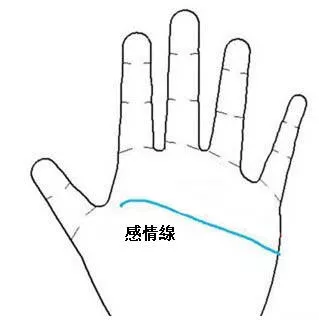
Among the palm’s three major lines, the uppermost is the heart line, which reflects inner emotions and the arc of one’s love life. By observing the heart line’s shape, one can also gauge who may be better suited to late marriage.
1. Heart line curving downward toward the thumb
People with this type of heart line tend to be passive in relationships. Even if they like someone, they rarely take the initiative to confess their feelings, often harboring a quiet crush instead. This can lead to missed opportunities and, consequently, later marriage.
2. “River” palm
A “river” palm refers to a hand where the heart line, head line, and life line each start separately and do not connect. People with this palm type are usually independent and self-reliant, dislike constraints, and may take risks in love. Their emotions can be less steady, making them better suited to marrying later.
3. Low starting position of the heart line
When the heart line starts lower, the person tends to prioritize feelings, but their strong trust in others can lead to deception in relationships. They may need to experience several setbacks before maturing emotionally, often finding a suitable partner and marrying only after reaching middle age.
4. Wavy heart line
Those with a wavy heart line usually have less stable emotions and may be hot and cold toward others. In youth, it’s hard for them to maintain steady relationships; after their personality matures, however, they’re more likely to find lasting happiness in marriage.