Positions of the Twelve Earthly Branches on the Palm
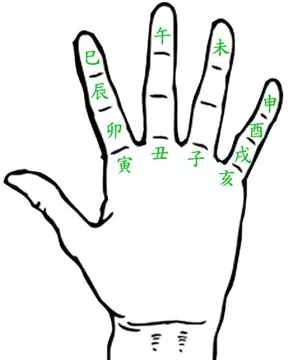
The image above shows how the Twelve Earthly Branches are mapped onto the palm, typically using the fingers of the left hand. This is because, during calculations or divination, the right hand held the pen for recording, while the left thumb counted the positions of the Earthly Branches on the fingers—a method commonly called “finger calculation.”
The Earthly Branches are symbols ancient Chinese used to record time. There are twelve, known as the Twelve Branches: Zi, Chou, Yin, Mao, Chen, Si, Wu, Wei, Shen, You, Xu, and Hai.
The 12 Earthly Branches are grouped by polarity: Yang branches — Zi, Yin, Chen, Wu, Shen, Xu; Yin branches — Chou, Mao, Si, Wei, You, Hai.
- Zi means “to sprout,” referring to the moment when all things begin to grow as Yang energy becomes active.
- Chou means “to bind,” indicating that Yang energy has not yet emerged.
- Yin means “to move,” signifying that growth begins to stir.
- Mao means “to flourish,” indicating that all things are thriving.
- Chen means “to shake,” referring to growth driven by movement.
- Si means “to rise,” indicating the peak of Yang energy.
- Wu means “to flourish,” referring to the luxuriant growth of branches and leaves.
- Wei means “to taste,” indicating that all things have developed flavor.
- Shen means “body,” signifying that all things have taken form.
- You means “to age,” referring to the aging of all things.
- Xu means “to extinguish,” indicating the winding down of all things.
- Hai means “to store,” referring to things being gathered and stored away.
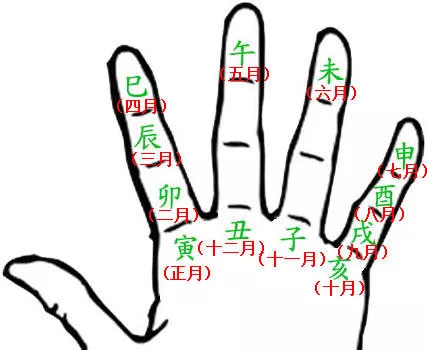
Correspondence of the 12 Earthly Branches with Months
- Yin, Mao, and Chen correspond to the first, second, and third months of the lunar calendar, which is spring. In spring, all things sprout and grow, and these three branches together represent Wood.
- Si, Wu, and Wei correspond to the fourth, fifth, and sixth lunar months, which is summer. In summer, all things bloom and flourish in the heat, and these three branches together represent Fire.
- Shen, You, and Xu correspond to the seventh, eighth, and ninth lunar months, which is autumn. In autumn, all things mature and wither, and these three branches together represent Metal.
- Hai, Zi, and Chou correspond to the tenth, eleventh, and twelfth lunar months, which is winter. In winter, all things are stored underground, covered by ice and snow, and these three branches together represent Water.
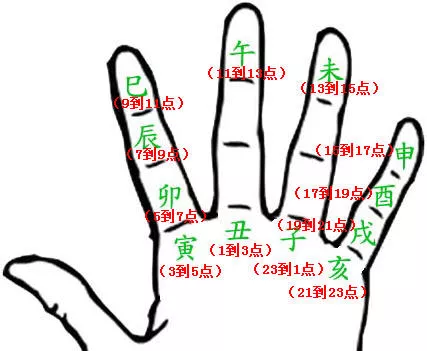
Correspondence of the 12 Earthly Branches with Time Periods
- 【Zi Hour】 Midnight: the first of the twelve double-hours. (Beijing time 11 PM to 1 AM).
- 【Chou Hour】 Rooster’s crow: the second of the twelve double-hours. (Beijing time 1 AM to 3 AM).
- 【Yin Hour】 Daybreak: the transition from night to day. (Beijing time 3 AM to 5 AM).
- 【Mao Hour】 Sunrise: when the sun first appears. (Beijing time 5 AM to 7 AM).
- 【Chen Hour】 Morning meal time: the time for the early meal in antiquity. (Beijing time 7 AM to 9 AM).
- 【Si Hour】 Late morning, approaching noon. (Beijing time 9 AM to 11 AM).
- 【Wu Hour】 Noon, also called “midday.” (Beijing time 11 AM to 1 PM).
- 【Wei Hour】 Early afternoon: the sun begins to decline westward. (Beijing time 1 PM to 3 PM).
- 【Shen Hour】 Late afternoon, also called “snack time” in antiquity. (Beijing time 3 PM to 5 PM).
- 【You Hour】 Sunset, also called “evening”: when the sun sets. (Beijing time 5 PM to 7 PM).
- 【Xu Hour】 Dusk, also called “evening twilight”: the sun has set and the sky is dimming. (Beijing time 7 PM to 9 PM).
- 【Hai Hour】 Nightfall, also called “night settling”: night deepens and people retire. (Beijing time 9 PM to 11 PM).
The Five Elements and Directions of the 12 Earthly Branches
- Yin and Mao represent Wood, the East, and Spring;
- Si and Wu represent Fire, the South, and Summer;
- Shen and You represent Metal, the West, and Autumn;
- Hai and Zi represent Water, the North, and Winter;
- Chen, Xu, Chou, and Wei represent Earth, the center, and the last month of each season.
Correspondence of the 12 Earthly Branches with Zodiac Signs
Zi – Rat, Chou – Ox, Yin – Tiger, Mao – Rabbit, Chen – Dragon, Si – Snake, Wu – Horse, Wei – Goat, Shen – Monkey, You – Rooster, Xu – Dog, Hai – Pig.
Conflicts and Combinations among the 12 Earthly Branches
- Pairing combinations (six harmonies): Zi and Chou combine to form Earth; Yin and Hai combine to form Wood; Mao and Xu combine to form Fire; Chen and You combine to form Metal; Si and Shen combine to form Water; Wu and Wei combine to form Earth.
- Trine combinations (three harmonies): Shen, Zi, and Chen combine to form Water; Hai, Mao, and Wei combine to form Wood; Yin, Wu, and Xu combine to form Fire; Si, You, and Chou combine to form Metal.
- Seasonal gatherings (three meetings): Yin, Mao, and Chen meet to form Wood; Si, Wu, and Wei meet to form Fire; Shen, You, and Xu meet to form Metal; Hai, Zi, and Chou meet to form Water.
- Conflicts (six clashes): Zi clashes with Wu; Chou clashes with Wei; Yin clashes with Shen; Mao clashes with You; Chen clashes with Xu; Si clashes with Hai.
- Harms (six harms): Zi and Wei harm each other; Chou and Wu harm each other; Yin and Si harm each other; Mao and Chen harm each other; Shen and Hai harm each other; You and Xu harm each other.
- Penalties (punishments): Zi and Mao form the “disrespect” penalty; Yin, Si, and Shen form the “lack of kindness” penalty; Chou, Wei, and Xu form the “arrogance” penalty; Chen, Wu, You, and Hai form the “self-punishment.”
- Hidden elements within the Twelve Earthly Branches: Zi contains Geng and Gui; Chou contains Ji, Gui, and Xin; Yin contains Jia, Bing, and Wu; Mao contains Yi; Chen contains Wu, Yi, and Gui; Si contains Bing, Wu, and Geng; Wu contains Ding and Ji; Wei contains Ji, Ding, and Yi; Shen contains Geng, Ren, and Wu; You contains Xin; Xu contains Wu, Xin, and Ding; Hai contains Ren and Jia.