Zygomatic Royalty: How Prominent Are Your Cheekbones?
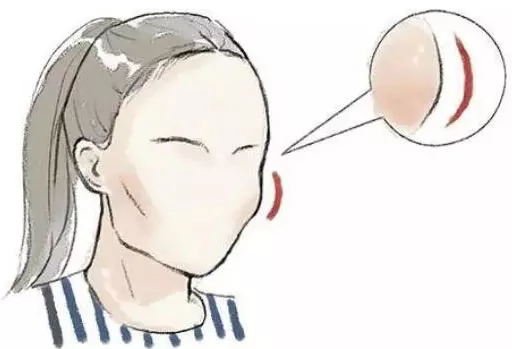
In face reading, the cheekbones symbolize power, reflecting a person’s reputation and standing in society. The strength or weakness of this power also influences one’s character and fortune. Generally, high, prominent cheekbones are considered a good sign. Note that height and protrusion are different: cheekbone height is measured from the center line of the nose. If the cheekbones are set below the outer corners of the eyes, they’re considered high, indicating the person can wield authority. If the cheekbones sit closer to the tip of the nose, they’re considered low, suggesting that even if someone is a boss, their subordinates may not readily follow their instructions. Many people mistake size for height; in fact, prominent cheekbones do not necessarily mean high cheekbones—they may simply be large. Large cheekbones do not always equate to significant power; even when power exists, it is usually limited.
The cheekbones and nose should be considered together. In physiognomy, the nose represents the self and one’s status, while the cheekbones represent one’s circle and power. Ideally, a high nose is paired with high cheekbones. When both are high, power and status are balanced; high cheekbones with a low nose suggest power without status, which can lead to opposition to superiors and a tendency toward insincerity. A high nose with low cheekbones indicates status without power, meaning that even in a high position, the person may lack direct authority.
- Full, rounded, and high cheekbones indicate someone upright and ambitious, able to gain both power and reputation, command respect, and show a strong, patient character.
- Cheekbones that are overly high, protruding, or sharp, or skin that is tight like a drum, suggest pride, unreasonable behavior, tense interactions, a tendency to meddle in others’ affairs, and greed.
- Extremely high cheekbones suggest pride, unreasonable behavior, and a domineering streak; traditionally this is called a “three-cheekbone face,” said to bring misfortune to a spouse.
- Flat or sunken cheekbones indicate a lack of power and courage, and little ambition.
- Low, small cheekbones suggest loneliness, a tendency toward laziness, and—according to traditional views—in women, a higher risk of reputational or moral lapses.
- Brown spots appearing on both sides of the cheekbones indicate that one’s power is being tested and gradually weakening.
- Broken cheekbones—referring to marked scars or birthmarks—indicate damage to power and a higher risk of accidents.