Facial Features That May Indicate Poor Relationship Skills in Leaders
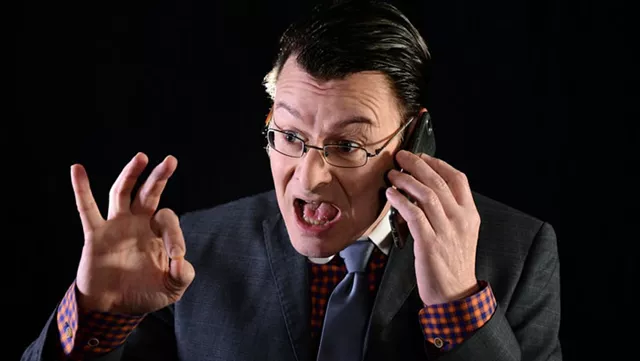
There is a Chinese proverb that says, "At home, rely on your parents; when outside, rely on your friends." This essentially highlights the importance of building strong relationships to enhance success in life. If someone struggles to make a single friend outside their home, it could suggest significant issues with their character, abilities, or personality. Typically, those who lack social skills find it hard to succeed. So, how can we gauge a leader's social skills based on their facial features through physiognomy? Below, we outline certain facial traits that may indicate poor social skills.
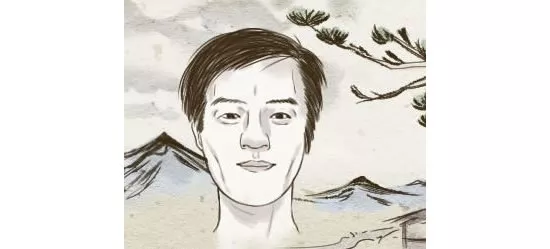
1. High Cheekbones and a Sunken Forehead
People with this combination of features often have abrasive personalities, are sharp-tongued, and tend to be domineering with a narrow mindset, making them generally unpopular. If your boss exhibits such features, it's wise to proceed with caution and steer clear of becoming their adversary; otherwise, your career growth and promotion prospects could be significantly obstructed.
2. Uneven Eyebrows
Those with uneven eyebrows often possess contradictory personalities, frequently saying one thing and doing another. They often set conflicting work goals, complicating their subordinates' ability to navigate their tasks. When unfavorable situations arise, these individuals tend to place the blame on their team. Such leaders are indeed difficult to admire.
3. Sunken Nose Bridge
Individuals with a sunken nose bridge generally harbor a profound mistrust of others, stemming from their own lack of confidence and a belief that they are not capable leaders. A leader who lacks self-assurance and is unable to trust their team is likely to struggle in managing operations effectively.
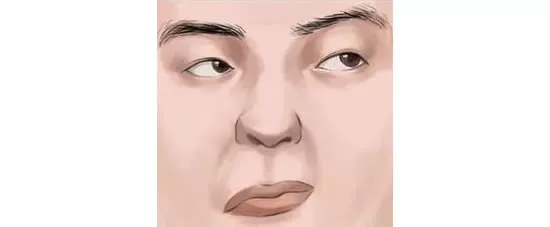
4. Crooked Mouth
A crooked mouth not only leaves a negative impression but also makes interactions uncomfortable. According to physiognomy, such a leader is considered to be narrow-minded, prone to gossiping, and essentially petty. How can someone like this possess good social skills?
The facial features described above are associated with poor social skills in leaders, as suggested by physiognomy. Have you come across leaders with such traits? However, it's important to remember that this is not a definitive rule. As leaders, it is crucial not only to focus on profits but also to ensure that subordinates find happiness and success in their roles while being receptive to their valuable suggestions, which are vital to the company's long-term development.
Image source: Feng Shui and Bazi City Network