Those With These Rare Traits Are Either Wealthy or Noble! Join Lao Yi in Exploring 'The Divine Oddities of the Ma Yi Perspective'
The previous issue primarily explored several old sayings related to longevity, noting that individuals with thin faces or sagging skin are more susceptible to health problems, while elderly individuals bearing signs of longevity often enjoy longer lives. (You can click here to view the previous article.) In this issue, we delve into the saying, "Those with extraordinary bones at the top of their heads may encounter disasters but can ultimately transform danger into safety."
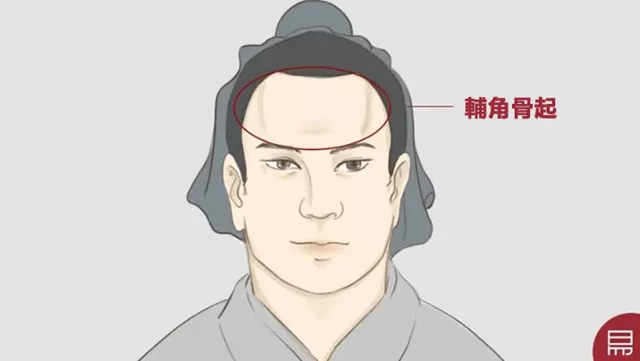
People with unique bone structures on the tops of their heads might face challenges, but they are capable of turning turmoil into safety. So, what qualifies as extraordinary bones? Let me briefly describe a few examples. One such example is the auxiliary angle bone, which slightly protrudes above the outer ends of the eyebrows and extends outward, resembling horns—often referred to as the dragon horn bone. Individuals with this bone structure are typically intelligent and wise, decisive and resolute in their actions, and skilled at capitalizing on opportunities. Even in the face of significant challenges, they can reverse unfavorable situations and achieve remarkable success in life.
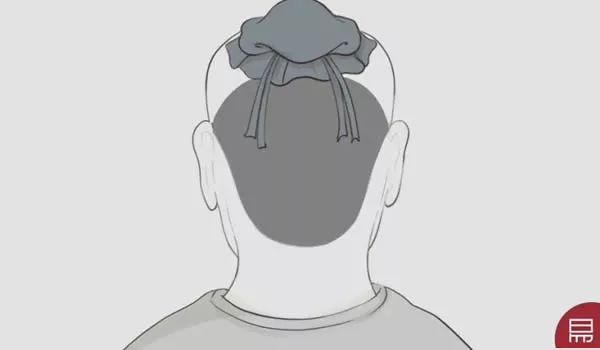
Another example is the occipital bone, located at the back of the head, level with the "Yintang" (the area between the eyebrows). A prominent and well-defined occipital bone is seen as a mark of distinction. Those with a high and prominent occipital bone often exhibit strong willpower and endurance, enjoy building friendships, experience good fortune in middle and old age, and have successful descendants. Additionally, a high and broad parietal bone, a straight and prominent solar bone, and a full and rounded heavenly court bone are also considered attributes of nobility, though I won’t go into detail about each one here.
As the ancients said, "A face without favorable moles and a head without unfavorable bones." Traditionally, it was believed that having extraordinary bones on the head was a sign of nobility, but this isn't always the case, and such views should not be considered absolute. Generally, head bones are seen as majestic and noble, yet if the head is overly pointed or too protruding, it can significantly adversely affect one's life and fortunes. Therefore, while most head bones are deemed positive, it doesn’t rule out the presence of unfavorable bones, though their occurrence is relatively rare.
"Bones and hair evolve, appearances fluctuate; when meeting good fortune, one can advance, and when facing misfortune, one can discern."
A person's appearance is variable; bones, hair, and complexion can change with their mental state. Positive thoughts can lead to favorable outcomes. Despite having seemingly disadvantageous features or ominous signs, one can maintain a calm demeanor, turning misfortune into fortune. Conversely, negative thoughts can attract bad luck; even if someone's features are balanced, a hint of hostility in their eyes can lead to obstacles and setbacks. Thus, since appearances are not fixed, fortunes aren't fixed either; mindset can alter good and bad outcomes. We can assess a person's present condition and fortune based on their mental state and the expressions they show.