Ear Size and Your Fortune in Life
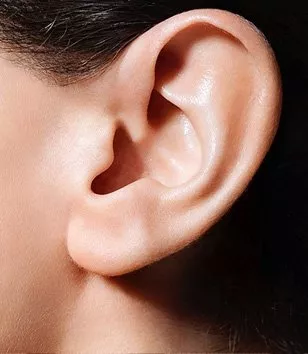
The ear is one of our primary senses, taking in information all day long, which is why it’s often called the palace of hearing.
In psychological physiognomy, ears are used to gauge luck, intelligence, and physical condition. Some Freudian ideas also suggest the ears can mirror aspects of one’s childhood. For example, children said to have “weak” ears are believed to be physically frail and less intelligent.
The ear can be divided into three parts: the upper section is the heavenly wheel, the middle is the human wheel, and the lower is the earthly wheel (the “heavenly” and “earthly” outlines refer to these). This framework is used to read a person’s harmony, intelligence, and emotions.
1. Large Ears Indicate Stability, Caution, and Clear Thinking
People with large ears and wide ear openings tend to be broad-minded and bright. A wide ear opening often points to a generous nature.
As the saying goes, “Wide ear openings signify intelligence and openness”—this suggests a strong capacity to absorb and express energy, resulting in an expansive, open personality. Large ears are viewed as a sign of good fortune and rational thinking, paired with curiosity and a strong drive for knowledge, as well as clear insight into right and wrong.
Those with large ears typically have abundant vitality, a steady, careful temperament, and a clear head at work. They’re practical, down-to-earth, and willing to put in the effort. In general, they’re ambitious and upbeat, which supports a prosperous life and a successful career.
In many fields, prominent figures are often noted for having large ears. With a bit of observation, you’ll find many successful business leaders, scholars, and officials share this trait—such is the “magic” of large ears.
2. Thin Ears Indicate Financial Instability
People with thin ears tend to be nervous and lack self-confidence. They overthink and fixate on details. They may often struggle with insomnia, poor appetite, and constipation. Such individuals often don’t build savings and can end up at the mercy of others, with limited ability to generate wealth. As the saying goes, “A high wall only keeps away those who never intended to come”—thinking too much and doing too little won’t help. Also, those with delicate but overly thin ear rims may crave wealth yet find it easy to spend and hard to save. They may excel in cultural pursuits and earn respect, but their finances often lag.
3. Thick Earlobes Indicate Wealth and Nobility
People with thick earlobes are considered fortunate and likely to enjoy financial luck—especially those whose lobes are so full you could rest a grain of rice on them, a classic sign of wealth and status. They’re usually robust, cheerful, optimistic, and blessed with both financial luck and strong social ties. Generous and empathetic, they tend to enjoy a happy family life and strong relationships. Generally, they don’t have excessive desires, yet they don’t lack spending money, and their wealth tends to grow naturally.
In traditional Chinese paintings, Arhats and Bodhisattvas are often depicted with full earlobes, reinforcing the idea that thick lobes signal good fortune.
Even those with smaller earlobes can be wealthy; they may inherit assets or gain unexpected windfalls through speculative ventures. An exception: those with small earlobes but a well-defined jawline can offset shortcomings and still achieve career success.
4. Slanted Ears Indicate Courage, Rationality, and Attention to Detail
People whose ears sit close to the head and tilt slightly are often quite intelligent and rational (and comparatively less driven by emotion).
They plan their work and stay calm under pressure. As the saying goes, “With a flustered heart, you can’t enjoy hot porridge; on the road, you can’t study the Three Kingdoms.” They understand how the world works and proceed step by step, weighing all angles rather than acting on impulse.
When problems arise, they neither retreat nor act rashly; they rely on reason to find solutions. However, they can be critical of others and prone to collecting “intel” about people, which can rub others the wrong way. If they don’t rein this in, their social circle may shrink.
5. Soft Ears Indicate Lack of Courage
If you pinch your ear and it feels soft, it often points to a more passive approach to life. Such people generally lack boldness and assertiveness. If a person’s ears aren’t visible when viewed from the front, they’re likely timid and lack initiative; it’s best to guide and supervise them in their work.
As the ancients said, “If you can’t sweep your doorstep, how can you sweep the world?” Those who neglect small matters often lack decisiveness when it counts, coming off as hesitant. People with soft ears are also more easily deceived.
If male, this may indicate timidity in marriage—a classic “henpecked husband.”
6. Low Ears Below the Eyebrows Indicate Leadership Qualities
Ears set lower than the eyebrows but higher than the eyes are considered a normal position.
People with this ear placement are seen as noble in character, insightful, and able to grasp both the big picture and the details, which helps them earn trust and support. They often show notable leadership ability, paving the way for smooth careers and favorable finances.
However, if the ears sit too low, it can signal arrogance, stubbornness, or financial loss, along with overindulgence in material comforts and sensual pleasures—leading to modest achievements and an ordinary life. Character matters: being strict with oneself is key to accomplishing great things.
7. Protruding Ears Indicate Proactivity
People with protruding ear bones are typically practical. If the inner rim stands out, they tend to be proactive and often extroverted. They may be less suited to quiet jobs, like library work. Drawn to excitement and adventure, they’re likely to thrive in detective or espionage-style roles—whether they excel is another question, but they’ll certainly give it a go.
To others, they can seem rebellious, with tastes that are unconventional and not widely accepted. In reality, they’re sharp, efficient, diligent, and highly capable, staying focused and getting things done. Still, as the saying goes, “No gold is pure; no one is perfect.”
Those with protruding ear bones often zero in on every detail and struggle to distinguish major from minor issues. This can make them appear self-righteous and argumentative, which others may find difficult. It’s wise to stay humble in social situations.