The Chin’s Influence on Destiny
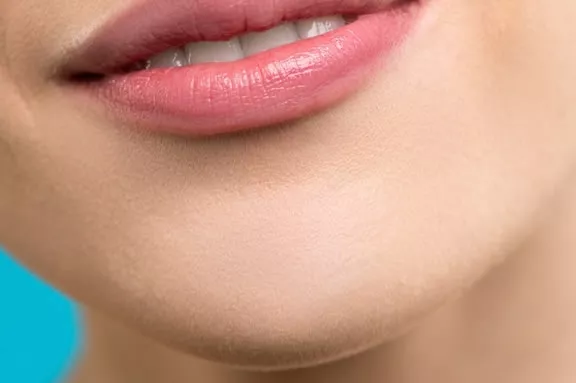
In today’s culture, a sharp, V-shaped face with a pointed chin has become a beauty standard. Many popular actresses seem to share the same sculpted look, and those who don’t naturally have it often turn to cosmetic procedures. The “pointed chin” trend is spreading like wildfire across the entertainment industry.
The desire to be beautiful is natural for every woman, yet true beauty has always been rare and precious. What does it mean, then, when we see women with pointed chins fashioned by cosmetic surgery?
From the perspective of physiognomy, an ideal woman’s chin is rounded, full, harmonious, and slightly upturned. The chin rules the lower face and is seen as the foundation that supports both heaven and earth. It should embody the earth’s qualities—being inclusive and supportive—symbolizing fertility and the capacity to nurture family wealth. In physiognomy, men are judged more by the forehead, which should be high and upright, symbolizing stature and nobility. By contrast, a woman with a large forehead is said to face a life of worries and troubles.
For women, the chin is the focal point. A rounded chin should harmonize with balanced upper and lower lips, clear nasolabial folds, and a well-defined philtrum. The corners of the lips should turn up, and the chin should be full and fleshy. This combination is said to bring a prosperous husband and healthy children. As the saying goes, “A thousand-mile fortune begins with a virtuous wife,” underscoring how a woman’s fortune can be pivotal to a man’s success. Women with rounded, full chins are described as open-minded, orderly in thought, and forgiving. Hence the adage, “A wise wife keeps her husband from wrongdoing.” In this view, a successful man needs a virtuous wife to support and guide him. Young men, often hot-tempered and ambitious, must toil outside the home, while a good wife serves as a peacemaker—calming impatience and helping her husband envision a brighter future. In such cases, success naturally follows. Women like this are often praised for their “auspicious features.”
By contrast, consider women with pointed chins. Traditionally, a pointed chin is linked to waning fortune in old age or beauty that fades quickly. This look features a sharp, small chin and a recessed jaw, which in physiognomy reflects one’s resources later in life. Thin jaws are said to foretell loneliness and scant family wealth in old age. Women lacking a robust jawline are described as narrow-minded, critical, and envious, quick to spot others’ flaws and speak sharply. With a closed heart, it’s easy to stir up needless conflict and get mired in trivial matters. In such cases, a woman may struggle to understand her husband’s feelings, ask more from others than she gives, and fail to care or see from another’s perspective. An excessively pointed chin suggests oversensitivity, which can strain relationships and marriage. For this reason, women with oval faces are said to experience more ups and downs in love and marriage, leading to a less fulfilling life.
People with rounded chins generally appear warm and approachable, making it easier for them to build satisfying romantic relationships. A woman with a rounded chin is said to be very family-oriented; a man with one is thought to be gentle by nature. Such individuals not only do well in love but also tend to work diligently, treat others sincerely, and shoulder significant responsibilities. Compassionate at heart, they often raise respectful, filial children and enjoy a contented old age. Young women with rounded chins are also believed to have well-developed reproductive organs and pelvises, giving them an advantage in childbirth.
A pointed, narrow chin, on the other hand, can appear solitary and may indicate weak social ties, excessive self-focus, and a tendency toward neuroticism. It is often said to signify a short life—and even if one lives long, a bleak old age without warmth or companionship. Historically, many renowned beauties are said to have ended their lives in loneliness, with few achieving a perfect ending.
In everyday life, examples of both pointed and rounded chins abound. Actors rely on their looks for their careers and often chase screen time at the expense of other pursuits—choices that, in this view, intertwine with destiny and carry their own consequences. By contrast, the wives of officials and wealthy individuals are rarely seen with pointed chins. If a wealthy woman or an official’s wife does have one, it is often taken as a sign that her husband’s career has stalled—an outcome attributed largely to her character.