Liu Heng's Insights: The Meaning Behind Fierce Facial Lines
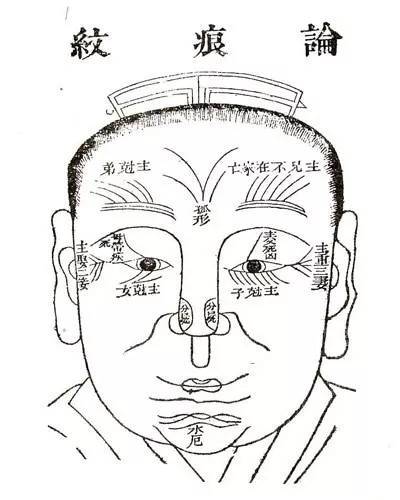
When analyzing a person's face, start by examining the bone structure, then the facial features and their combinations, and finally look for facial markings that may suggest misfortune. The saying goes: "No marking is a good marking on a face," which is akin to "a face does not benefit from moles." A clear, smooth, and healthy complexion is considered fortunate, while a dull skin tone with unattractive moles or markings signals an unfortunate destiny. Traditional physiognomy texts assert that any markings on the face are ominous; however, markings that change direction are known as "Yin Zhi Wen," which can become favorable. Nevertheless, Teacher Liu Heng believes that all types of markings, regardless of direction change, are considered inauspicious (a change in direction occurs when the end of a line splits).
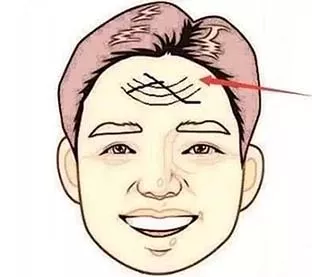
1. Forehead Markings. A disordered or "wild goose" pattern on the forehead signals a decline in family wealth, and for men, it may indicate harm to their spouses, resulting in a sorrowful old age. Liu Heng emphasizes that this doesn't mean a lack of care or companionship in old age, but rather a sense of despair in life and inadequate respect from children.
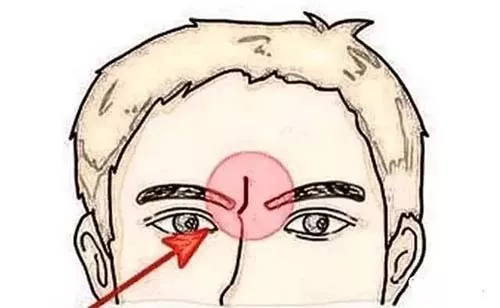
2. Vertical Lines on the Yintang. Markings on the Yintang (the space between the eyebrows) are considered vertical lines, including one, two, or three such lines. Vertical lines here indicate harm to the eldest son, a decline in ancestral wealth, and possibly harm to wives and women.
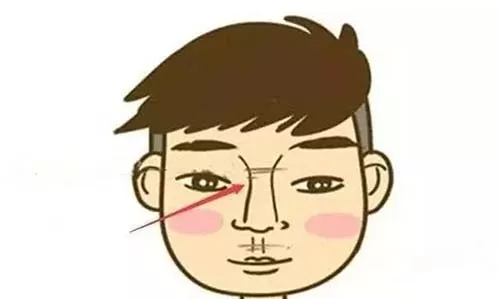
3. Horizontal Lines on the Mountain Root and Life and Longevity Lines. The mountain root is located at the bridge of the nose between the eyes' inner corners, often called the "couple's seat." The life line is the bridge of the nose, while the longevity line is the side of the nose. Horizontal lines on the mountain root suggest harm to the wife, while prominent horizontal or diagonal lines on the life and longevity lines may indicate raising someone else's child and challenges in having one's own children.
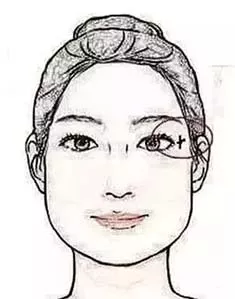
4. Vertical Lines on the Jianmen. Vertical lines on the Jianmen (located at the temples) are known as "Jianmen Jiuqiang." Faint or clear vertical lines here imply harm to the spouse. A cross pattern on the Jianmen is considered even more unfavorable. Regardless of gender, the Jianmen represents the spouse's palace and should ideally be smooth and free from markings; any unattractive moles or blemishes suggest marital unhappiness.
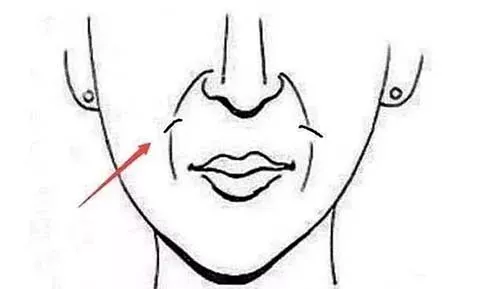
5. Interrupted Nasolabial Folds. The nasolabial folds signify power and authority. If these folds are disrupted by diagonal or vertical interruptions or are only partially formed, it may indicate potential financial loss, legal issues, or demotion. For women, interrupted or broken nasolabial folds can imply harm to their husbands and financial distress.
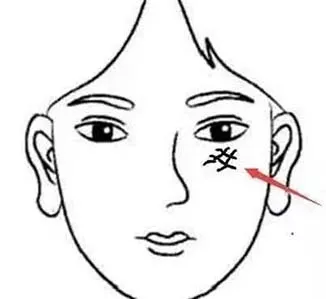
6. Grid or Lantern Patterns on the Tear Hall. The tear hall, also known as the "three yin and three yang," pertains to fertility. Grid patterns here suggest male infertility and female difficulty conceiving. Liu Heng notes that net-like patterns below the eyes indicate few descendants over three generations.
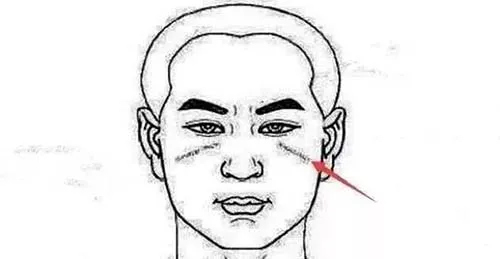
7. Broken Cheekbone Lines. The cheekbones reflect power. Diagonal or vertical lines crossing them, known as broken cheekbone lines, signal a loss of power for those in authority and financial loss for the average person. For women, such lines imply harm to their husbands, while for men, they suggest legal issues.
8. Excessive Crow's Feet. Crow's feet symbolize marital relationships. If they appear chaotic, excessive, or interrupted, it indicates the possibility of spousal conflict. For men over forty and women over thirty-five, smooth crow's feet without markings can also suggest harm to their spouses.
9. Multiple Wrinkles at the Corners of the Mouth. Numerous wrinkles at the corners of the mouth indicate poverty and childlessness, leading to a lonely old age without support, and a life marked by sorrow and hardship.
10. Lines in the Eyebrows. Lines within the eyebrows suggest harm to siblings, potential investment failures, being deceived by friends, and poor judgment in relationships.
11. Multiple Lines on the Jaw. Multiple lines in the jaw area, located within the cheekbones, indicate a lack of support in old age, financial difficulties, and weak social ties, leading to a challenging life. It may also imply a short lifespan or childlessness.
Images in this article are sourced from the internet. Copyright belongs to the original creators.