How to Address Children’s Challenges Using Facial Feature Analysis
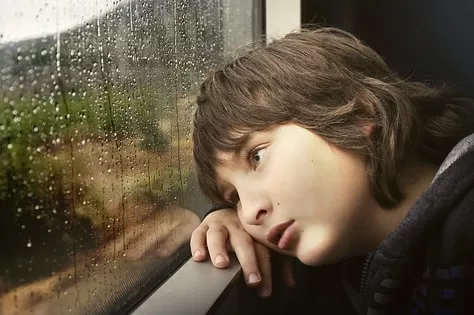
Targeted early education has long existed in the West. In ancient China, foundational studies were also designed to cultivate young children's intellect and character. Today, let alone that few people still read the classics, many profit-driven early education programs focus only on test scores—like "pulling up seedlings to help them grow."
Many people still mistakenly believe that education is merely schooling, and that learning is just reading, writing, arithmetic, and exams. In fact, well-targeted early training can yield the greatest benefits for a child's future.
1. Children with low foreheads and low hairlines often have strong hands-on skills but weaker critical thinking and reasoning. Starting them with puzzle games early, and later introducing number games, can significantly improve their competitiveness.
2. Children with sparse, short, light-colored, or crooked eyebrows often lack patience and attention to detail. Chess, drawing, calligraphy, and simple brain games are excellent choices for them.
3. Children with flat, low, or crooked noses tend to act slowly and respond sluggishly. These children should take up sports, such as long-distance running or soccer, to build their physical abilities.
4. Children with thin, pointed noses who tend to be self-centered and less generous should join more outdoor group activities or team-based games, such as dance.
5. Children with small eyes, a small philtrum (the groove between the nose and upper lip), and a small mouth are often emotionally sensitive and prone to repression. It's best to nurture their public speaking, recitation, and singing skills.
6. Children with low eyebrows and small ears tend to handle situations passively and negatively. It's advisable to develop their social skills, especially body language and etiquette.