Benefits of a Full Chin: Family Happiness and Longevity
The distinction between a pointed chin and a refined facial structure is particularly noticeable around the chin area. Many women desire a pointed chin, but is this shape considered desirable in physiognomy? In this article, we'll delve into the "Servant Palace," which pertains to the chin, and discuss what kind of chin is considered to embody a refined face in the realm of physiognomy.

Servant Palace
The Servant Palace encompasses the chin and jawbone areas. Insights from the Servant Palace can reveal an individual's fortune in their later years, as well as their relationships with subordinates and offspring. Health-wise, this area is closely connected to the health of the cerebellum, digestive system, and lower limbs.
Wide, Thick, and Rounded Servant Palace
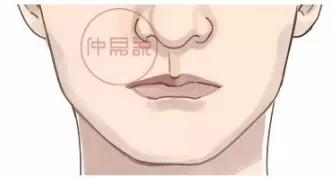
A chin that is wide, thick, and rounded where it joins the jawline indicates a person with a gentle demeanor, grounded nature, open-mindedness, and wisdom, who loves to care for others. Such individuals tend to earn widespread support. In their careers, they exhibit wisdom in managing others and lead by virtue, inspiring loyalty among their subordinates, which strengthens their career as they age. In family life, they often enjoy a happy marriage, have virtuous and filial children, and experience a long and blessed life. As the saying goes, "men are valued for their foreheads, while women are valued for their chins," so a woman with this type of chin is considered more fortunate than one with a prominent forehead. Women with a full and rounded Servant Palace are likely to be good wives and mothers, maintaining harmonious family relationships.
Sharp, Small, and Thin Servant Palace
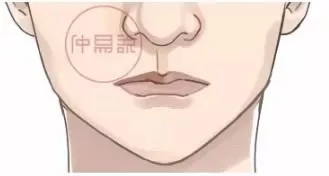
A chin that is sharp, small, and thin suggests a weaker sense of family responsibility. These individuals may face challenges in achieving career success, and their children may lack filial piety, making it difficult to enjoy family happiness. Those with sharp and bony jawlines might find themselves working hard even in their later years, often feeling lonely due to limited family companionship.