Recognizing the Tangshan Attacker: Be Aware of These 6 Distinctive Facial Features

Facial features have their roots in ancient China, where people deeply valued interpersonal relationships and possessed a profound understanding of human nature. They left us with many insights on how to manage relationships and assess character. As the saying goes, "the face reflects the heart." We will delve into the wisdom of the ancients to analyze the facial features of the nine assailants involved in the "Tangshan Incident." Be cautious around these six types of facial features.

1. Orange Peel Skin
There's a saying that advises against marrying a man with "orange peel skin." This refers to men with large pores and rough, uneven skin that resembles orange peel, often resulting from excessive heat and acne.
These men tend to have a bad temper and an overabundance of "liver fire," leading to hormonal imbalances, unstable emotions, and explosive tempers. They often hold in their frustrations, and when pushed to their limits, they might erupt aggressively.
2. Prominent Cheekbones
Prominent cheekbones often come with sunken temples. Individuals with sunken temples are usually impulsive and impatient, projecting a rough demeanor. They have a strong sense of self-importance and like to be the center of attention. In relationships, they may show disrespect towards women and have violent tendencies, potentially resorting to physical aggression. Additionally, they may behave unpredictably and cunningly.
3. Pointed Head and Narrow Forehead
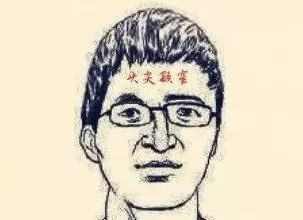
Individuals with a pointed head and narrow forehead are often humorously called "social types." Many uneducated troublemakers have this look. In physiognomy, the head symbolizes a person's cognitive abilities.
A narrow forehead suggests average intelligence and simplistic thinking, making them susceptible to setbacks and unlikely to achieve wealth or success. Such individuals often engage in petty tricks and may act selfishly and immorally, as evidenced by some "pointed-head" individuals harassing innocent women in the "Tangshan Incident."
4. Horizontal Flesh and Prominent Veins
One common trait among the assailants in the "Tangshan Incident" is their large, fleshy faces. Horizontal flesh is different from regular fat; some people have chubby faces that appear cute, like a child's, giving off an endearing vibe.
"Horizontal flesh" refers to muscle, and those with such features often have aggressive and fierce expressions, which can become permanent over time, giving them a menacing appearance. "Prominent veins" describe visible veins or blood vessels on the face, found in both thin and overweight individuals.
People with these two features tend to have volatile personalities and are quick to anger. Thus, ancient physiognomy texts often state: "Horizontal flesh on the face indicates a fierce nature."
5. Long Jawbone and Cheekbones Extending to the Ears
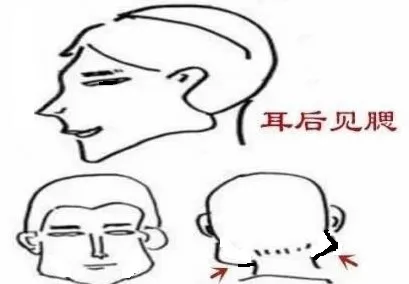
A long jawbone extending to the ears is a key indicator of a potentially violent man. In traditional physiognomy, such men are labeled as "rebellious," often having poor social relations, harboring grudges, and possessing a strong desire for revenge, capable of severe harm.
Several assailants in the "Tangshan Incident" exhibited this "long jawbone" feature, demonstrating extreme aggression when attacking women, making them notably dangerous. Marrying such men significantly raises the risk of domestic violence.
6. Short Eyebrows, Protruding Brows, and Drooping Eyes
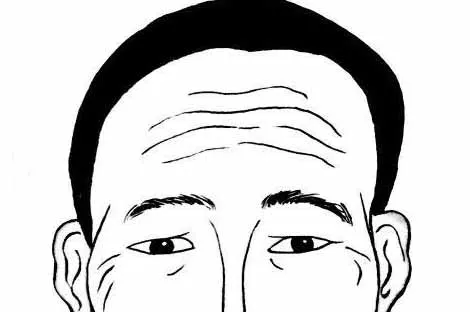
Among the seven male assailants in the "Tangshan Incident," one had this type of facial feature. Short eyebrows indicate a volatile temperament, while protruding brows suggest arrogance and aggression. These individuals often display ostentation, making them difficult to interact with and creating pressure for others. Moreover, men with drooping eyes appear lethargic and lack the assertiveness expected of men. They are typically timid and cowardly, often taking out their frustrations on women. Be sure to avoid these six facial feature types.
Just as you can determine a fruit's quality by its shape and color, the same applies to people; "appearance" reflects a person's looks, posture, and traits, while "complexion" indicates their facial expression and demeanor. A person's complexion and appearance change with their temperament and mindset. Although some aspects of fate may be predetermined, there is still room for change, as both innate and acquired factors influence a person's destiny. Physiognomy reveals information about a person’s character from their appearance.
The assailants in the "Tangshan Incident" lost their ability to discern right from wrong, allowing their darker impulses to take over, leading to their heinous actions.
From their facial features, we can infer the potential "fate" and "fortune" of these men involved in the "Tangshan Incident." Those with these six types of features often have explosive and violent personalities, and we should aim to avoid and distance ourselves from them.