Facial Features That May Signal Shallow Relationships with Children or Rebellious Behavior in Offspring
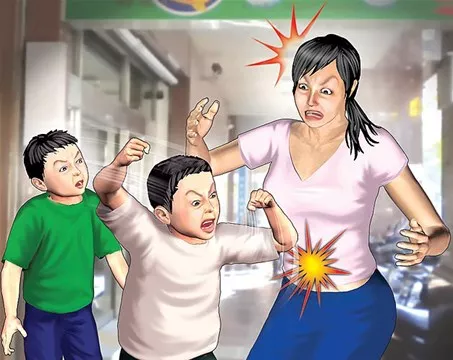
Genuine emotions exist in the world, and true love is found in life. Among the deepest feelings, the most unforgettable is the familial bond. This authentic love helps children grow up happily and supports elderly parents in enjoying their later years. The most treasured and invaluable asset is family affection. Children who maintain a strong bond with their parents not only benefit from their care but also thrive in their future development. Conversely, a poor relationship with parents can result in a lack of support and care, which is detrimental to one's future. From the perspective of physiognomy, let's explore which facial features may suggest a weak bond with children or challenging relationships.
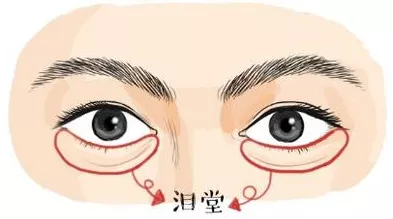
1. Tear Hall with Irregular Lines
In physiognomy, the Tear Hall, also known as the Palace of Children, is an important area. A clearly defined Tear Hall without irregular lines suggests a strong bond with children, who are typically filial and supportive throughout their growth, allowing parents to bask in their blessings. Conversely, a sunken Tear Hall or one with irregular lines indicates a weak bond with children, or possibly not having biological children at all. Individuals with these features may have lower fertility and health issues affecting reproduction, possibly resulting in adopting children and struggling to form a close bond with them.
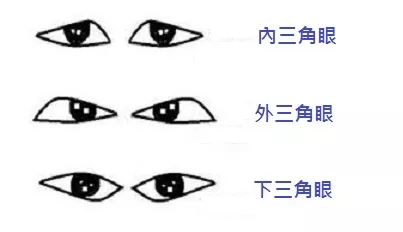
2. Sunken Triangular Eyes
People with sunken, triangular-shaped eyes that lack vitality often face strained relationships with family members and have difficulty forming deep emotional connections. Their interactions are limited, often treating each other like strangers. They might resort to outdated child-rearing methods such as "spare the rod and spoil the child," which can lead to overly strict discipline. This approach often backfires, fostering fear and rebellion in children. Consequently, these children tend to show little filial piety as they grow, preferring to distance themselves from their indifferent family bonds.
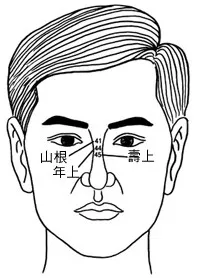
3. Straight Lines on the Longevity Line
The Longevity Line, located above the nose bridge, and the Year Line below it are significant markers. Individuals with straight lines on both lines often experience troubled marriages and unharmonious intimate relationships, frequently arising from trivial disagreements. This discord can negatively impact their children, who might grow up developing slightly distorted personalities and struggle financially. Limited financial resources can prevent parents from providing a quality education, making children self-reliant and potentially resentful during periods of hardship.
4. Shallow Belly Button
Those with deeper belly buttons, regardless of gender, typically enjoy strong relationships with their children, fostering bonds that are both emotionally fulfilling and conducive to gratitude and filial piety. This tends to lead to smoother life paths for their children. Conversely, a shallow belly button may indicate a fragile bond with children, characterized by indifference. Such parents may find it challenging to significantly contribute to their children's education, leaving their futures uncertain. For males, a shallow belly button suggests impatience and difficulty in conveying affection during parenting. For females, it may signal fertility-related health issues that hinder forming a strong connection with their children.
5. Crooked or Flat Philtrum
The philtrum, a vital aspect of facial features, represents vitality and reproductive capabilities. A crooked or flat philtrum is typically undesirable, indicating a tendency to gossip or speak indiscreetly, which can harm others' reputations and cause emotional distress. Such behaviors might attract legal issues or retaliation, resulting in turmoil. For women, a crooked philtrum might indicate fertility problems or riskier childbirth and, even if they do successfully have children, their offspring may not show much filial respect due to the parenting style involved.
6. Discontinuous Eyebrows
Individuals with gaps in their eyebrows may exhibit solitary and eccentric tendencies, often leading to a preference for independence and limited social interaction. This nature can negatively impact relationships and marriage, making it difficult to manage familial bonds effectively. Poor communication and a lack of understanding in child-rearing methods may cause family misunderstandings, affecting children's development and family harmony. Those with such features should prioritize family engagement and strive for improved communication to better their situation.