Indicators of Midlife Transformation and Beneficial Encounters Reflected in Facial Features
Some people find their luck improves later in life, with their fortunes rising significantly after middle age. The following facial features are commonly associated with those who achieve success later in life. Check to see if you possess any of these traits.
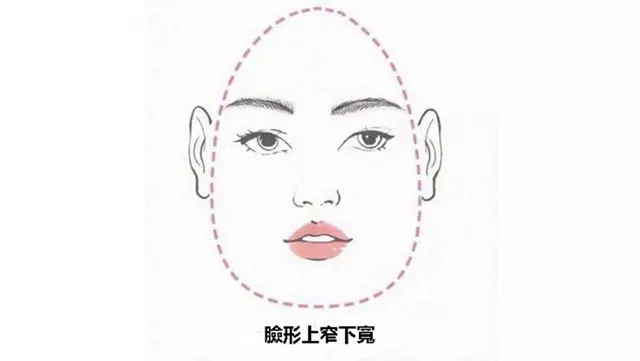
Narrow Upper Face and Wide Lower Face
Individuals with a narrow upper face and a wide lower face often experience enhanced fortune after middle age. These people typically have ordinary lives in their younger years but become more assertive as they approach middle age. They particularly thrive in financial matters, making it easier for them to earn money and enjoy unexpected gains.
Wide Tianzhai Palace
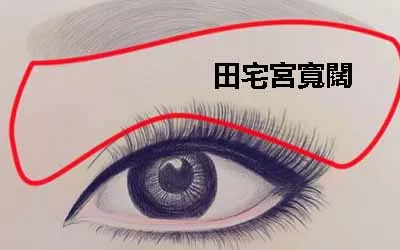
The area between the eyes and eyebrows is referred to as the Tianzhai Palace, symbolizing savings and property. A wide Tianzhai Palace suggests that a person will enjoy increased wealth in the future, with these riches becoming more evident after middle age.
Thick Lips and Upturned Corners of the Mouth

Thick lips are considered a sign of prosperity, indicating a comfortable life during middle age. People with upturned corners of the mouth usually have an optimistic outlook, are not daunted by challenges, and achieve significant accomplishments. Those with this feature often attract unexpected wealth through influential connections, with their financial success closely linked to their positive interpersonal relationships.
Square Face and Large Ears

People with square faces tend to approach life with steadiness and humility. As they age, their good fortune often increases significantly. If they also have large ears, they are considered even more fortunate. Men with this characteristic may experience career advancements, while women often bring prosperity to their families. After middle age, they are likely to attain stable financial success, making this a favorable facial feature for wealth.
Images in this article are sourced from the internet. Copyright belongs to the original authors.