Facial Features and Divorce Rates: Kindness Isn't a Recipe for a Lasting Marriage

Marriage can often feel like a journey of self-cultivation. Behind every successful and smooth relationship lies the hard work and effort of both partners. Without understanding the importance of nurturing a marriage, the flame of passion may eventually extinguish, making divorce a likely outcome. The following traits in men and women suggest a lack of understanding in managing their marriages, leading to each person being left to their own devices and possibly ending up divorced.
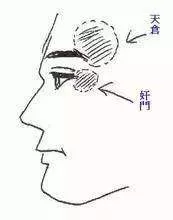
Men and Women with Damaged Marriage Palaces
In physiognomy, the "Marriage Palace" refers to the area behind the eyes, also known as the "Gate of Infidelity." This region generally signifies whether a person's marital emotions are smooth and fulfilling. A Marriage Palace that is smooth, clean, plump, and rosy usually indicates a happy marriage and harmonious relationship. However, if this area is injured, damaged, or has dark spots, it can negatively affect a person's emotions and marriage, making it challenging to maintain a loving and harmonious relationship, which may lead to complications.
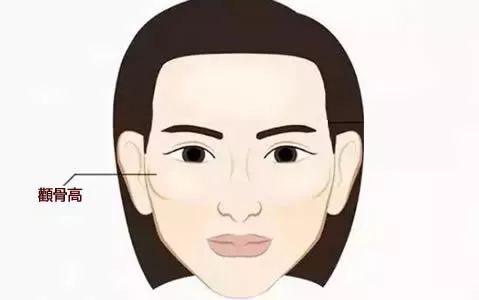
Women with Prominent Cheekbones
In physiognomy, cheekbones represent power, status, interpersonal relationships, and responsibility in tasks. For men, high cheekbones might suggest a position of power and leadership. However, if a woman has prominent cheekbones that lack flesh, it indicates a strong desire for power and wealth, often prioritizing success over emotional and marital life. This strong personality can make it difficult to coexist harmoniously with a partner, resulting in an unstable marriage.
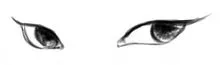
Women with Upturned Eye Tails
Women with slightly upturned eye tails, called "Fox Eyes" in physiognomy, have a captivating charm that can easily attract men. They typically have many male friends, some of whom may be closely involved, directly impacting their emotions and marriage. These women often attract unwanted romantic advances and may enjoy the attention, lacking emotional restraint, which makes sustaining a marriage challenging.
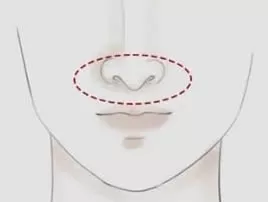
Men with Hawk-like Noses
Men with hawk-like noses are generally seen as selfish, often prioritizing their own needs and making it difficult to get along with others. They tend to be stingy and harsh, lacking the generosity to accommodate others. In both the workplace and personal life, they are not particularly well-liked, often having tense relationships with their partners. These men typically show little warmth or care in relationships, and their reluctance to spend money on their wives often leads to a less than affluent lifestyle.
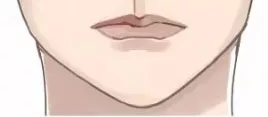
Men with Sharp and Bony Chins
A broad, fleshy chin is often considered a sign of good fortune, while a sharp, bony chin can indicate potential difficulties in emotional life and a tendency toward remarriage. Men with such chins often do not prioritize marriage or family, showing emotional detachment and a lack of family values. They prefer a carefree lifestyle without constraints, frequently changing partners and struggling with sincerity. Even if they marry, their relationships typically do not last due to their indifference towards partners, resulting in a superficial marital life.

Women with Prominent Nasolabial Folds
While many women do not have noticeable nasolabial folds, those with pronounced ones often have strong career ambitions, a dominant personality, and lack the softness associated with femininity. Even if they are attractive, they may possess a masculine demeanor, often enjoying giving orders and expecting others to follow their plans. Although successful in their careers, these women might experience unsatisfactory marriages. Their domineering attitude can strain relationships with their partners.
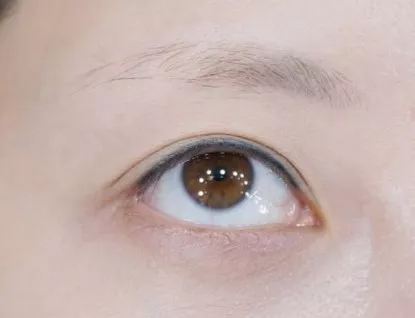
Men and Women with Sparse and Messy Eyebrows
In physiognomy, eyebrows can reflect a person's temperament and interpersonal relationships. Individuals with sparse and messy eyebrows, regardless of gender, often have poor tempers, struggle to control their emotions, and can become inexplicably angry. They tend to be irresponsible in relationships, frequently neglecting their partners after marriage, leading to a gradual fading of feelings and an inability to maintain a strong marital bond.