Children's Looks Can Be Predicted by Parents' Features
I. If parents have the following facial features, their children may struggle to succeed
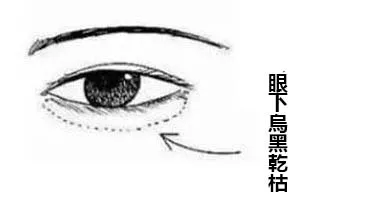
1. Dark, dry skin under the eyes
In physiognomy, the area beneath the eyes is called the “children’s palace,” said to reflect the body’s balance of water and fire (men are associated with water, women with fire/blood). The state of one’s children is believed to be shown here. If the skin under your eyes looks dark and dry, it suggests the water–fire system is out of balance, which may indicate children who are frail or tire easily. As a result, achieving success later in life may be more difficult for them.
2. Flat philtrum
A flat, indistinct philtrum (the vertical groove between the nose and upper lip) is linked to the urinary and reproductive systems in physiognomy. If this area is flat, it’s said to suggest weaker reproductive health, making conception or childbirth harder. Even if a child is born, they may be more prone to illness, which could affect future success.
3. Father with small ears or mother with pale lips
In physiognomy, a man’s ears correspond to the kidneys, while a woman’s lips symbolize vitality. If the mother appears to have low vitality or the father has weak energy, then, the thinking goes, their children may struggle to grow up diligent and ambitious.
II. If parents have the following facial features, their children may be unfilial (disrespectful to parents)
1. Very sparse or nearly absent eyebrows
Extremely sparse eyebrows are said to indicate weak bone marrow and possible issues with the liver, lungs, and emotional well‑being. Such eyebrows suggest the parent places less emphasis on emotional bonds with their child, which may lead to less respectful behavior as the child grows.
2. Straight lines above the mother’s philtrum
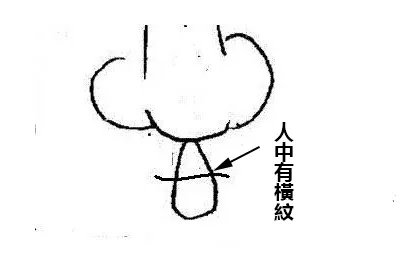
In physiognomy, the philtrum relates to the reproductive organs. Lines in this area are taken as signs of damage, which may negatively affect future children.
3. Inverted nipples in the mother
In the past, mothers with inverted nipples often found breastfeeding difficult. Reduced close contact was thought to lessen nurturing, making it less likely for the child to be strongly filial later in life.
III. If parents have the following facial features, their children may become troublemakers
1. Parents whose lips don’t fully cover their teeth, or who have a pointed mouth
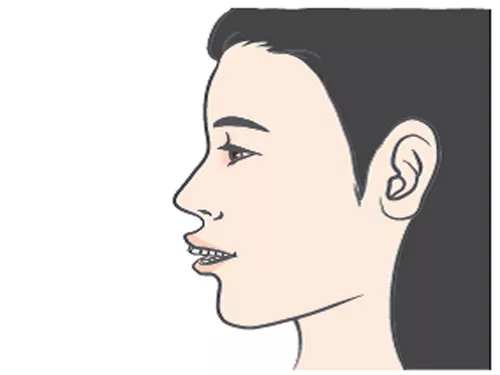
A pointed mouth refers to lips that protrude sharply. Parents with these features may be less attentive to a child’s development, letting them play unsupervised. If misbehavior is ignored, problems can escalate as the child grows.
2. Narrow philtrum in women
A narrow philtrum in women is said to suggest a narrow mindset and difficulty forgiving others. If a mother can’t overlook minor mistakes, it can backfire, causing the child to act out even more.
3. Coarse, yellowish hair in women
Women with coarse, yellowish hair are thought to have a quick temper and may scold or hit their children. If a mother is impatient and short‑tempered, it becomes harder for the child to grow up respectful, accomplished, and well‑behaved.
Images in this article are sourced from the internet; copyright belongs to the original authors