Evaluating Wealth and Prosperity Based on Ear Features
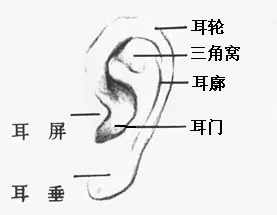
Many people are familiar with the saying: "Those with thick earlobes are generally more fortunate." In Feng Shui and physiognomy, a person's facial features hold meaningful insights, much like the diverse qualities of each finger. Today, we’re focusing on the ears, often described as the "palace of hearing" for their role in receiving information. In physiognomy, ears can symbolize luck, intelligence, and health, and also hint at a person's childhood conditions; for example, children with less robust ears might have issues with health and intelligence. So, how do we assess someone’s fortune through their ears? What are the guidelines for this interpretation? Let's explore!
1. Large Ears Indicate Stability, Caution, and Clear Thinking
People with large ears and wide ear openings often exhibit broad-mindedness and intelligence. They are typically open-hearted, as suggested by the saying: "Wide ear openings indicate intelligence and openness," signifying abundant energy and a generous heart. Large ears are associated with good fortune and denote a rational personality, strong curiosity, pursuit of knowledge, and keen judgment of right and wrong. Such individuals are vibrant, stable, cautious, and practical. They often have significant ambitions and a cheerful disposition, leading to success in life and career. Many successful business leaders, scholars, and officials possess large ears.
2. Small Ears Indicate Emotional Decision-Making and Impulsiveness
People with small ears often make decisions based on emotions, showing sensitivity and ease of influence by others' opinions. They may experience confusion and anxiety over trivial matters, often avoiding reality. Their strong self-awareness can hinder their acceptance of constructive criticism, affecting their relationships. With a tendency for emotional judgments, impulsiveness, and being outspoken, they can be unpredictable, lacking financial planning, which makes saving money difficult and business prospects challenging.
3. Thick Ears Indicate Wealth and Prosperity
Thick, fleshy ears are seen as a sign of longevity. A round, well-defined ear suggests a person who might achieve wealth through their efforts, although retaining this wealth may depend on how well the ear's alignment complements the jawline. Individuals with such ears are energetic, ambitious, and skilled at advancing their careers through networking and adaptation to change.
4. Thin Ears Indicate Difficulty in Accumulating Wealth
Those with thin ears can be prone to anxiety and low self-confidence, often dwelling on past grievances. They may suffer health issues like insomnia and loss of appetite, struggle to save money, and find themselves reliant on others financially. Often overthinking without taking action, they may be financially unstable. While those with well-shaped thin ears might achieve cultural or social recognition, financially they may still face challenges.
5. Thick Earlobes Indicate Wealth and Nobility
Individuals with thick earlobes are often seen as fortunate, potentially leading to financial success. Thick ear lobes that can cradle a grain of rice are particularly associated with wealth and nobility. These individuals are usually healthy, cheerful, and optimistic, enjoying financial prosperity and strong friendships due to their generous and compassionate nature. They lead happy family lives and manage their wealth with ease, naturally increasing their resources. Even those with smaller earlobes might gain wealth through inheritance or unexpected financial successes.
6. No Earlobes Indicate Difficulty in Earning Money
People without earlobes typically have thin and small ear structures. They are imaginative and emotionally expressive but may struggle with reality, often indulging in fantasies and lacking clear plans. Acting on impulse and desire, they may poorly manage money, spending it as if it flows through their hands. Losses and financial challenges often accompany those with small, thin ears lacking earlobes.
7. Long Ears Indicate Longevity and Family Happiness
Long ears are a symbol of longevity. Such individuals are often intelligent, quick-witted, diligent, and cautious. Often content with life, they live with minimal desires and appreciate calmness, enjoying peaceful surroundings with family as they age. Longevity and fulfilled family lives characterize them, though they sometimes feel restless in their seemingly ordinary routines.
8. Slanted Ears Indicate Courage and Rationality
Ears that lie flat against the head and appear slanted suggest a person of intelligence, rationality, and emotional detachment. These individuals plan their actions meticulously and remain calm under pressure. Understanding their environment well, they approach tasks systematically and avoid impulsive behaviors. However, they may tend toward criticism and excessive information collection, which can affect their social interactions. It is important for them to moderate these behaviors for a wider social reach.
9. Soft Ears Indicate Lack of Courage
If ears feel soft to the touch, it often reflects a passive lifestyle. Typically, these individuals lack courage and assertiveness. Ears that are not visible from the front suggest timidity and lack of initiative, often needing guidance and support with tasks. As the saying goes: "If one cannot manage their own affairs, how can they manage the world?" Soft-eared individuals often lack decisiveness in critical moments and can be easily misled. In men, this characteristic may indicate susceptibility to being dominated in relationships.
10. Protruding Ears Indicate Proactivity
Individuals with protruding ear bones are often practical and proactive, usually displaying extroverted personalities. Not suited for quiet jobs, they gravitate toward excitement and adventure, with roles like detective or spy fitting their talents. They are quick-witted, efficient, and diligent, handling tasks with notable effectiveness. However, "Gold is not without flaws, and no one is perfect." Individuals with protruding ears might focus excessively on details, making it hard for them to prioritize tasks efficiently. It's beneficial for them to be humble in social settings.