Analyzing Wealth and Marriage Prospects Through Nasal Features
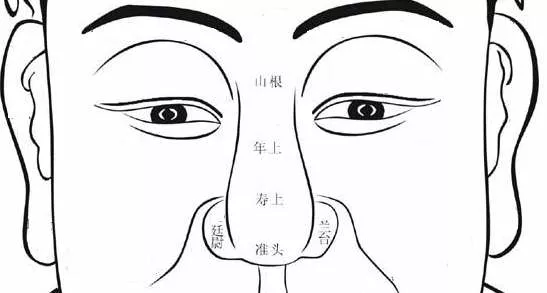
In physiognomy, the nose is called the “Central Mountain.” It corresponds to the Earth element in the Five Elements and is considered especially significant between the ages of 41 and 50, reflecting one’s inner world and social standing. Ancient wisdom says, “Where there is earth, there is wealth,” so the nose is often regarded as the palace of wealth. Although some also consider the Heavenly Store and Earthly Pavilion to be part of the wealth palace, the nose is most commonly recognized as such. In general, a well-shaped, prominent, and clearly defined nose with refined, slightly tapered nostrils suggests a comfortable material life and spiritual fulfillment. However, a strong, attractive nose alone does not guarantee success; it must be assessed together with other facial features.
As the saying goes, “Wealth is found in the nose,” underscoring its importance in physiognomy. In facial analysis, the nose can be divided into four sections: starting at the Yintang (the space between the eyebrows) and moving down through the root of the nose, the upper years, the longevity area, the tip of the nose, and the areas beside the tip known as Lan Tai and Ting Wei (the left and right nostrils). To fully understand how wealth relates to the nose, it’s important to recognize the traits of the root, the upper years, the longevity area, the tip, Lan Tai and Ting Wei, as well as the nose’s height, placement (high or low), and overall shape.
I. Root of the Nose
- A high root suggests determination, strong self-awareness, and pride. A low root points to a more diffuse sense of self and some indecision, but often a strong emotional nature.
- A low root paired with a low nose often indicates that the previous generation worked hard but achieved limited career success; this must be judged alongside other features.
- People with a low root and low nose are often enthusiastic and curious but may attract gossip and trouble, especially in darker complexions. It’s wise to avoid meddling in others’ affairs. If the lower face (Earthly Pavilion) is also full, they’re likely sociable and enjoy helping others. Women with a low root may have partners who are stubborn and possessive, with a strong masculine streak; if the low root shows a bluish tint, it may signal digestive or bronchial issues.
- In marriage, the person with the higher nose typically leads the one with the lower nose; if the higher nose comes with a strong voice, this is even more likely.
II. Upper Years and Longevity Area
- Referring to the midsection of the nose: if the upper years and longevity area appear red, it suggests strenuous efforts to seek wealth, rising inner heat, and a restless manner—signs of immaturity in handling worldly affairs.
- If these areas look dark or bluish and the voice is weak, it may indicate worry and distress affecting health. A strong or deep voice is less concerning.
- If the upper years and longevity area are low while the cheekbones are prominent, unexpected accidents may occur; use caution when driving or riding. If there are moles in these areas, certain years may bring problems; analyze the specifics together with other features. A low nose with dark tones suggests a difficult home life, financial strain, and lingering resentment.
- The nose also represents the palace of illness. If it shows excessive bluishness, the gastrointestinal system may be affected and health should be monitored. A bony nose paired with a coarse voice can point to marital conflict; mutual tolerance is advised—don’t wait until things deteriorate to seek reconciliation.
III. Tip of the Nose
- A rounded, full tip indicates stable finances. A slightly low root and balanced cheekbones further suggest favorable financial prospects.
- An overly large tip can signal difficulty letting go of desires, leading to emotional detachment regarding wealth.
- A sharp, thin, small tip suggests a calculating, self-serving nature.
- A low tip points to a childlike disposition and forgetfulness.
- A red tip suggests constant busyness; if it remains persistently red (like a “rhinophyma”), it may indicate loneliness in old age and weak ties with children.
- A bluish or dark tip warns of potential financial loss; if nose hairs are visible, trim them to avoid needless expenses.
IV. Lan Tai and Ting Wei
The left nostril is called Lan Tai, and the right is Ting Wei. Rounded, slightly fleshy nostrils favor wealth accumulation, while protruding, thin nostrils and oversized openings are unfavorable. Redness or a reddish hue on either side may point to gastrointestinal issues; avoid sweets.
V. High Nose
- A high nose suggests someone principled and rational, with strong will and a straightforward temperament—less socially slick, not inclined to lie, but sometimes stubborn.
- A high nose combined with a coarse voice and darker skin can lean toward impulsiveness; such people tend to be independent, heed advice less, speak frankly, and have strong pride. If the lower face is full, they remain calm and composed in crises.
- A high nose with fair skin may indicate a self-centered personality, a dislike of idle chatter, and a reluctance to meddle. They may feel a sense of superiority and be stubborn, accepting criticism only when backed by evidence or data.
- The higher the nose, the stronger the self-esteem; if the nose is bony and the eyebrows heavy, it can signal aggressiveness or a desire to dominate—traits popularly associated with some Middle Eastern profiles.
- If the nose is excessively high, unless the person has strong abilities or specialized skills, they may end up isolated and in difficult situations, leading to loneliness and little support.
- Women with a high nose and fair skin may dominate their husbands, while those with a low nose are less likely to control their partners. If a woman has dark skin and a weak voice, she may end up alone.
- Generally, men and women with a high nose, narrow Heavenly Store, and fair skin tend to have fewer children, as is often observed in Western countries. By contrast, those with darker skin and a low nose tend to have more children, as seen in less developed regions of Africa.
VI. Low Nose
- A low nose suggests a forgiving nature but a tendency to prioritize emotion over reason. Such individuals may show blind obedience and be drawn to polytheistic beliefs, with lower vigilance, making them poor candidates for investment partnerships and vulnerable to disadvantage. They do better working in familiar settings than venturing into the unknown.
- People with low noses are generally easy to negotiate with and clever, but they may not protect themselves well and can be lax about rules; at times, they refuse to admit mistakes out of pride. A low nose combined with dark skin and a thin, coarse voice points to a life of hard work and frequent conflicts. Those with low noses often have great endurance and resilience, adapting to hardship. In arguments, they may bring up old grievances. Women with dark skin, a coarse voice, and a low nose may refuse to back down in disputes and show no mercy, especially toward their husbands.
- Women with low noses may have partners who are unrealistic and overly ambitious, making career goals hard to achieve.
- People with low noses tend to have greater fertility than those with high noses, leading to larger families; if they also have dark skin, they are likely to have even more children and blessings.
From the above, it’s clear that while the nose is the palace of wealth, it also relates closely to health and career. Therefore, when the nose’s appearance is unfavorable, it’s wise to do charitable deeds, do your best, and cultivate both your heart and your appearance, rather than single‑mindedly chasing money while neglecting the people and matters around you. As the saying goes, “Whether walking or sitting, carry your burdens lightly; once you set them down, how free you will be!”