Identifying Occupations Through Finger Joint Shapes: Lao Yi Explores 'The Divine Mirror of Ma Yi: The Extraordinary Ode'
In the previous edition, we explored the idea that "a low hairline and rough skin often indicate stubbornness and dullness," suggesting that someone with these features might be obstinate and not very quick-witted. (You can click here to read the previous article.) In this edition, we further delve into the saying "delicate knuckles and plump insteps signify elegance." This suggests that individuals with these attributes often exude beauty and grace.
Historically, those with delicate knuckles were typically well-educated, while individuals with rougher knuckles were generally involved in manual labor. By observing a person's knuckles, it was possible to infer whether they were engaged in intellectual or physical work. Scholars and intellectuals often displayed slender, delicate knuckles, whereas laborers working near rivers had thicker, coarser knuckles. Thus, the saying is less about the influence of knuckle thickness on one's destiny and more about using physical traits to discern someone's profession and social standing.

From a contemporary viewpoint, a person in a white-collar job, mainly performing mental work rather than physical tasks, is likely to have delicate knuckles and smooth, fine skin. Conversely, those working in fields like construction typically have thicker knuckles and darker skin—a commonly observed trend.
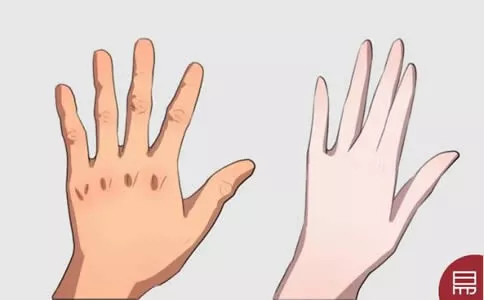
In the past, slender and delicate fingers were associated with beauty and sophistication, often indicating a fortunate life free from strenuous labor, and suggesting a potential role in civil service. However, this notion isn't necessarily applicable today. Modern societal changes mean that having delicate knuckles doesn't always equate to exceptional talent or a white-collar job. For instance, someone who spends their time lazing around at home may also have delicate knuckles. Therefore, when noticing someone with such features, they might be either a professional or simply a person not engaged in work, and it's crucial to view this with a balanced perspective.

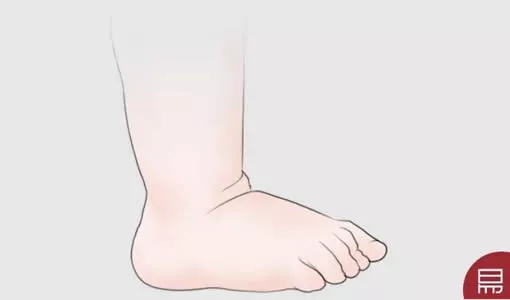
The phrase also touches on "plump insteps," where "plump" pertains to having more flesh on the instep, as opposed to a high or bony structure. In the past, people of lesser means walked, while the wealthy traveled in sedan chairs. Frequent walkers usually had more muscular, less fleshy feet, whereas those who traveled in chairs, walking less, had fleshier insteps.

Thus, in ancient times, individuals with fleshier insteps often conveyed a certain level of status. However, this observation is not entirely applicable today. For instance, infants naturally have chubby insteps because their bones are still developing, leading to more flesh. Therefore, it isn’t logical to deduce that a child with fleshy insteps hails from a wealthy background or has a particular social rank.