Can Unusual Appearances Ensure Nobility? Lao Yi Guides You Through 'The Divine Mirror of Ma Yi: The Ode of the Supernatural'
In the previous issue, we explored the saying "slender knuckles and plump insteps indicate elegance," highlighting the association between delicate knuckles and fleshy insteps with beauty and grace. (You can click here to read the previous article.) In this issue, we'll delve into the idea that "the wealthy naturally have a robust physique, and the noble are certainly distinguished in appearance." These phrases convey distinct meanings: wealthy individuals often have a solid and sturdy build, whereas noble individuals typically possess unique features. Let's examine these ideas in greater detail.
The first phrase, "the wealthy naturally have a robust physique," refers to a well-built body resulting from both genetic predispositions and environmental influences. However, being robust doesn't mean being overweight or lacking muscle tone; it means possessing a strong and firm physique. A robust individual not only appears physically substantial but also conveys a sense of stability. Thus, robustness isn't just about physical traits; it also reflects a person's demeanor, presence, and psychological balance, suggesting steadiness and generosity. Conversely, if someone is merely overweight yet exhibits an irritable nature, they won't exude the commanding presence typically associated with wealth.
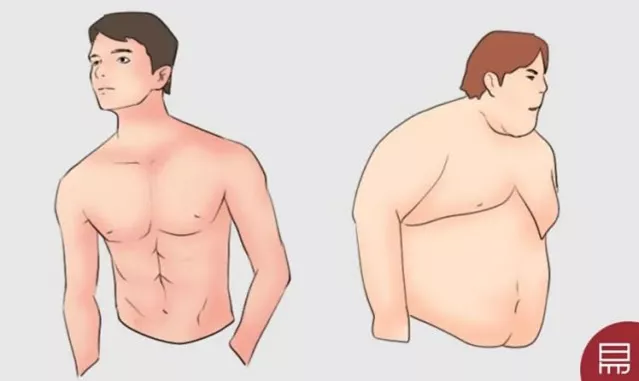
Wealthy individuals with a robust physique often possess a strong work ethic, can endure hardships, and handle pressure well. Combined with inner strength and determination, they are able to stand out and succeed in a competitive society.
However, with societal evolution, robust physiques aren't exclusive to the wealthy; nobles too can display such traits. In ancient times, nobility wasn't attainable for everyone; it was typically inherited within established families, making it hard for commoners to secure official posts. On the other hand, wealth could be achieved through hard work and prudent business endeavors. In today's society, nobles may also have robust physiques, and individuals with such physiques may appear noble. The meanings of wealth and nobility can indeed influence each other.
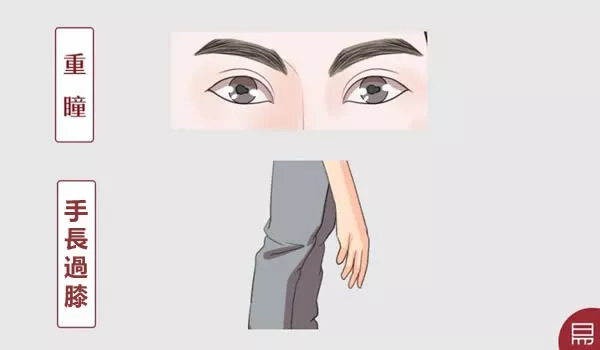
The second phrase, "the noble are certainly distinguished in appearance," prompts us to consider why the ancients valued "distinction" so highly. This refers to unique physical traits, like Liu Bei's long arms or Shun's double pupils. Individuals with such unusual traits often had characteristics that set them apart. Historical accounts suggest that many prominent people of the past exhibited exceptional qualities or distinct features, leading to the belief that nobles inherently looked different from ordinary individuals.
Yet, in the modern era, it's increasingly challenging to confirm the idea that "the noble are certainly distinguished in appearance." Today's rapidly evolving world means that individuals with unique traits don't necessarily achieve nobility. However, through dedication and learning, anyone can reach a certain level of social status, achievement, and wealth, surpassing traditional notions of nobility.