How Does Childhood Affect You? A Picture of Its Impact

Image source: Pixabay
Hi, dear readers, I'm Sumi. It's often said that childhood experiences significantly shape the adults we become. Did you have any challenging experiences as a child that still linger today? What adjustments might you consider in response to these enduring influences? Today, let's join Sumi in taking this test to discover some insights together!
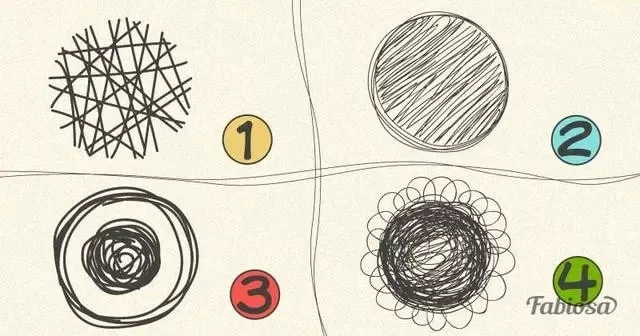
Question: Reflect on your childhood and identify the pattern that resonates most closely with you from the four options below.
Choose
Well
Look
Answer
Solution
If you chose the first image: Your childhood was marked by significant blows to your self-esteem
You might have frequently been compared by your parents to high-achieving peers, damaging your self-esteem. Alternatively, verbal bullying from classmates or friends could have had similar effects. These experiences left you feeling as though you could never do anything right. Praise was scarce both at school and at home, where you also faced criticism and sarcasm from your parents.
Over time, this led you to become overly concerned with others' opinions, striving to gain approval by being compliant and obedient. You aimed to be the "good student" among peers and the "good child" in your parents' eyes. Disagreement from others made you hesitant and quick to change your views.
Sumi's advice: It's possible for someone with these experiences to succeed in their career. However, when you step into the world, try to change this tendency to please others. Being overly accommodating isn't beneficial. You need to learn to assert yourself and be true to who you are.
If you chose the second image: Your childhood was filled with frequent rejections
Like many children, you had numerous creative ideas and sought your parents' approval. However, they often dismissed or criticized your contributions. Even in decisions like choosing schools, your opinions were questioned. This caused you to develop a sense of paranoia. Now, you're acutely self-aware and sensitive to others' judgments, sometimes even avoiding others' opinions entirely.
You tend to rely heavily on your perspective and often disregard others' advice, leading to communication difficulties and, at times, a reclusive demeanor. In relationships, fear of rejection may prevent you from expressing needs or seeking help, even though you may long for security. As a result, your personal and professional relationships can suffer. Fear of owing favors can make you hesitant to ask for help at work.
Sumi's advice: Your main challenge lies in "paranoia," and changing such a rigid mindset can be difficult until you recognize it yourself.
It's important to understand that we live in a collaborative world; it's impossible to run a company or support a family alone. Even the most revered individuals face doubts from others. If a partner or colleague questions you, why not take a moment to listen? Remember, "good medicine is often bitter, and honest advice is hard to swallow."
If you chose the third image: You experienced a lack of parental love and care
This doesn't imply your parents were in conflict or separated; rather, they were largely indifferent. They might have been too occupied with work to spend much time with you, resulting in minimal influence. To shield you, they might have restricted your interaction with other children, leading to a lack of both parental affection and playmates.
This detachment can contribute to anxiety and attachment issues in your adult relationships. You may perceive others' expressions of care as insincere, making it hard to open up emotionally, while at the same time deeply longing for love. This inner conflict leaves you with a guarded heart.
Sumi's advice: Everyone has a unique past, but it's crucial to leave past traumas behind. While you might question love or hesitate to invest in relationships, I encourage you to trust that someone special is out there waiting for you. To meet them, you'll first need to open your heart and take that step forward.
If you chose the fourth image: You frequently experienced deception in your childhood
Your childhood may have involved frequent broken promises—parents canceling plans to the amusement park, or friends failing to give a promised gift. These experiences have made it challenging for you to trust others as an adult. When communicating or forming friendships, you may often conceal your true feelings, leaving others to guess your thoughts. Despite being viewed as mysterious, the truth is you're trying to avoid being deceived again.
You may come across as quiet or introverted, seeming to hold many secrets. Trusting others may seem daunting, often requiring extended periods to assess their sincerity.
Sumi's advice: For those entangled in such emotional conflicts, finding resolution can be difficult. The key is to wait for someone who can help untangle these emotional knots. This metaphorical person can lead you out of this monochrome world. Of course, they too must navigate significant trials to earn your trust.