Unmasking Your Inner Shadows: Choose the Face You Dislike Most

Image source: Pixabay
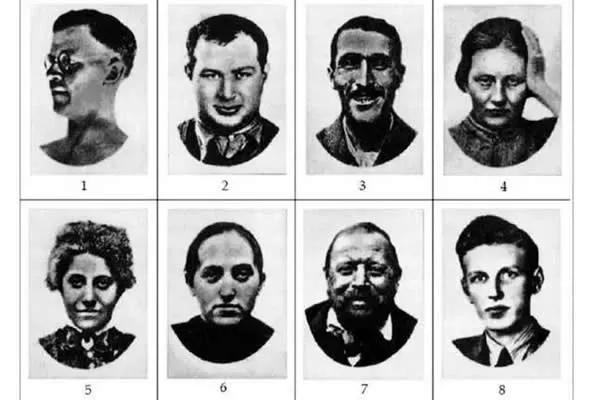
Test Question: Carefully study the eight faces below and select the one you find most unsettling. To put it differently, if you were walking in a dark alley at night, which face would you least want to encounter?
Choose
Carefully
Observe
Solution
Guide
1. Expressing dislike indirectly
You may aim to show a calm and approachable side, but when dealing with someone or something you dislike, you tend to express it indirectly. For instance, if you're unhappy with your boss's decisions, you might frequently be late; if you're no longer interested in your partner, you might start unnecessary arguments. Your passive-aggressive behavior suggests you might be suppressing actions where you feel inclined to belittle or offend others. This might stem from experiences in your early life, particularly times when you were influenced by negative thoughts.
2. Experiencing frequent, inexplicable anger
You try to manage your personality to leave a friendly and easy-going impression. However, you struggle to conceal your inner urges; you have poor emotional control and often experience unexplained anger and frustration. You may frequently feel irritable and search for reasons to justify your outbursts. It’s beneficial to develop a personal hobby to refine your character and improve your emotional management.
3. Resistant to change
You adhere tightly to certain norms and prefer a stable environment, believing that things should remain constant. You like to control your life, work, and relationships, often making plans to ensure everything follows a steady course. When you lose this control, you’re quickly overcome by negative emotions such as anxiety, stress, and fear. You’re easily influenced by suggestions, focus on trivial details, and imagine worst-case scenarios, which can disconnect you from reality.
4. Using social interactions to mask inner indifference
In social settings, you appear very active, eager to join gatherings and enjoy being around friends. However, this extroversion is a facade, intended to mask your inner indifference towards others. As a result, your relationships often remain superficial and lack depth. This indicates a lack of empathy, defined by strong indifference and an inability to sympathize with others.
5. Strong narcissistic tendencies
Although you might seem reserved, humble, and polite in social circles, you possess a deep-rooted self-obsession. You are particularly focused on your appearance and may exaggerate your talents to gain recognition and admiration. You crave attention, wanting everyone to notice you to satisfy your inner need for validation.
6. Hiding pessimism behind optimism
You attempt to project a more optimistic and confident image than expected, showcasing a carefree demeanor, though it’s mostly a facade. You struggle with self-acceptance and often face feelings of inferiority and guilt. Despite battling these unstable emotions, you manage to keep them under control. To cope with depressive tendencies, you often assume the role of a problem-solver for others, constantly seeking ways to help them.
7. Using organization to control inner chaos
You strive to please those around you, fearing to upset anyone. You dislike noise, extremes, and anything excessive. With high levels of judgment, restraint, and deliberation, your actions are painstakingly controlled. You often feel overstimulated and overestimate your abilities. You are not prudent with finances; if someone irritates you, it suggests you are suppressing excitement. If left unchecked, this could lead to an uncontrollable state.
8. Clinging to stereotypical gender views
To deal with uncertainties about your gender identity, you embrace hyper-masculine or traditionally feminine traits. Your behavior, mannerisms, and appearance stress adherence to gender stereotypes, and your self-worth often ties to acceptance by the opposite sex. Uncomfort in situations indicates underlying gender identity issues. In your view, men should be masculine, while women should be dignified and elegant.