The Connection Between Zodiac Signs and Houses: Scorpio in the Third House
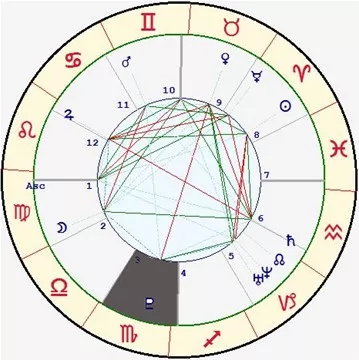
I. The Third House
In astrology, the third house of the zodiac is often referred to as the house of siblings and is the designated position for Gemini. It encompasses relationships with siblings and relatives in a broader sense (excluding parents, who fall under the fourth house), neighbors, and one's immediate environment. It also reflects an individual's learning abilities (especially in early education), communication skills (including verbal expression, self-representation, writing, etc.), and short-distance travel. All forms of communication, such as correspondence, gossip, reports, news, and media, including public interactions, newspapers, magazines, telephones, postal services, written contracts, speeches, and debates, are also governed by the third house.
The configuration of the third house reveals how a person engages in intellectual activities and how they think. Mental activity can be swift or slow; thoughts may be clear or vague, and ideas can be original or simply reflect the surrounding influences. The signs and planets in the third house also reveal an individual's relationship with knowledge and their approach to learning. For instance, a person with Mars in the third house might believe that knowledge equates to power, whereas someone with the Moon in the third house might seek knowledge for security or find joy and safety in specializing in a particular field.
The third house also describes relationships with siblings, aunts, uncles, cousins, and neighbors (parents are significant but governed by a different house). The planets and signs placed in the third house help define the nature of our relationships with siblings, offering insights into their personalities or at least the traits that we project onto them. For example, someone with Saturn in the third house might experience friction with siblings or perceive them as distant and uncaring, possibly reflecting these qualities within themselves.
Furthermore, the third house oversees short-distance travel. Typically, the planets within a house suggest that we will encounter the principles of those planets in the areas of life indicated by that house. For example, having Saturn in the third house may signify challenges in learning, interactions with siblings, or short trips. Whatever the manifestation, it represents a deeper and more significant issue: exploring life with caution and concern (Saturn) is a key lesson to examine and comprehend (the third house).
II. Scorpio
Scorpio is the largest constellation among the twelve zodiac signs. Characterized by its large and bright stars, it is easily recognizable. Known as a mysterious sign, it reflects Scorpio's personality traits. The sharp tips of the scorpion's claws mark the start of the zodiac, while the rounded curve in front signifies the constellation's end, with its elongated body winding through the starry sky and its hidden tail visible among the Milky Way stars.
Those born under Scorpio are intense, energetic, passionate, yet often distant. To many, Scorpio possesses an irresistible allure but can be challenging to approach. They often seem cold and indifferent, seemingly unaffected by their surroundings, but their sharp gaze appears to unravel the secrets of human nature. What is seen is just a small part; the enigmatic Scorpio often surprises those around them with unexpected beginnings and remarkable endings.
Scorpios hold themselves to high standards and are unmatched in their attention to detail and focus at work. However, their excellent judgment can sometimes turn overly critical, particularly regarding moral and ethical issues. They often judge others based on intentions rather than actions, harshly condemning those who cross perceived moral lines. Yet, they are equally hard on themselves and can easily experience guilt over their impulses and actions. They place significant value on conscience in their work—completing tasks is crucial, but it must be done ethically.
Scorpios frequently exhibit more pronounced dual personalities, with one side being vibrant and the other darker. The cheerful aspect radiates an enticing charm capable of warming even the coldest hearts, while the darker side can be destructive, posing risks to themselves and those around them when unchecked. This intensity makes it difficult for them to retreat in conflicts; they tend to endure until the end. In adversity, their confidence might waver, leading them to feel inadequate or doubt the affection of loved ones. They often project emotions like anger, jealousy, and rejection onto others, blaming them for their negative attitudes as a means of self-relief.
Scorpios enjoy critique not to harm but because they generally remain detached from the circumstances or opinions of others, except for those they sincerely care about and wish to assist. They believe criticism serves a constructive purpose, challenging the assumption that everything will eventually work out. Nevertheless, their sharp and incisive analyses, even if accurate, might still be challenging for friends and family to accept.
III. Scorpio in the Third House
When the third house is positioned in Scorpio, it symbolizes a profound and intense communication style. The individual might prefer not to speak often, opting to listen silently, but when they do speak, their words can be penetrating and may unintentionally suppress or offend others. They maintain strong emotional ties with siblings, often characterized by cunning and jealousy.
Individuals with Scorpio in the third house are adept at transforming language or text and are relentless in their quest for knowledge. They may be drawn to psychology or metaphysics and possess research talents that enable them to develop unique perspectives. They excel at retaining information and usually have a deep comprehension of the implications behind the information they acquire. In interactions with the broader world, they often evaluate the overall context before delving deeper.
Those with Scorpio in the third house are enthusiastic about travel and exploring various possibilities. Their minds frequently brim with ideas for collaborative ventures and they often ponder themes related to death and communication with the deceased. They have a keen interest in the mysterious and a strong urge to understand life, actively seeking new experiences. However, if there are negative influences, they might appear overly proud or adopt a conceited demeanor, or they may attempt to impose their views on others.