The Prosperous Kite Aspect in Astrology, Explained
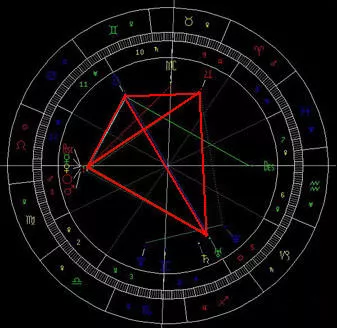
In a natal chart, a kite pattern is a formation built on a grand trine. One corner of the grand trine hosts a planet that stands in opposition to the trine planet across from it, creating a kite-like shape. That opposing planet also forms sextiles to the other two points of the trine, so the figure involves four planets in total, all sharing the same polarity—either negative (Earth and Water signs) or positive (Fire and Air signs).
A kite contains five harmonious aspects and one challenging one, a setup often viewed as turning tension into opportunity. The hard aspect is buffered by two supportive planets, allowing life energy to flow while also bringing help and good luck—hence its reputation for wealth and prosperity. In a kite, the planet creating the opposition is the focal point and can steer the pattern; how it plays out depends on the chart holder’s will. The opposition gives the leading planet clearer direction and purpose, while the two sextile planets provide openings that activate the opposing planet. This can endow the native with built-in opportunities and good fortune, though they should stay alert to sudden crises.
Theoretically, a kite releases the grand trine’s energy through the opposition, channeling it through the signs and houses involved so the trine can focus on creativity and expression. In practice, the kite is still composed of soft aspects and can lack drive. Compared with a plain grand trine, people with a kite are more likely to realize they can use their talents to accomplish things, while those with only a grand trine often lack initiative or recognition. Even so, the opposition in a kite does not guarantee action.
Thanks to this built-in sense of direction and awareness, individuals with a kite can express themselves very effectively when hard aspects stimulate the pattern. However, like other soft aspects, a kite can also lead to inertia, fostering complacency and conflict avoidance.
In a kite pattern, the apex planet is crucial: it needs to be strong, and the opposition must truly do its job. The opposition functions like the backbone of the figure, so it has to be sturdy enough to produce meaningful results.