A Child's Unhurried Pace Isn't Procrastination: Parents, Stop the Pressure!
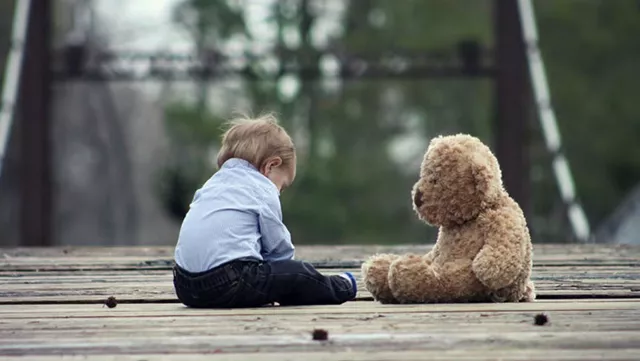
Many parents encounter articles like these through various channels: “If You Don’t Help Your Child Overcome Procrastination, You’ll Regret It for Life!”, “Three Tips to Solve Your Child’s Procrastination, Turning Average Kids into Outstanding Ones”, “The Dangers of Procrastination: A Must-Read for Parents!”…
After reading so many of these articles, seeing your own child move at a slower pace can heighten your anxiety. The more anxious you become, the more you push them, and the more you push, the slower they seem to get. Ultimately, both parents and children can find themselves trapped in a vicious cycle, damaging the family atmosphere.
Is procrastination really that alarming? Is moving slowly the same as procrastinating? Let’s clarify these questions before considering how to address your child’s procrastination!
1. Does Procrastination Ruin Lives?
Think about it: have you ever experienced procrastination in your life? Even the most disciplined individuals procrastinate at times. Sometimes, tasks are right there, easy to complete, yet you just don’t feel like doing them for no particular reason, simply wanting to put them off.
For example, after finishing a drink, you should wash the cup immediately, but sometimes you just don’t feel like it. Although you know you’ll eventually wash it, urgency isn't always there.
Another example is work tasks. You may have completed the major parts and only need to wrap things up, but after tackling the toughest part, you might feel a sense of relaxation, leaving the final touches unfinished.
…
Adults frequently experience moments of procrastination, so it’s unsurprising that children, who lack self-management skills, do as well. Occasional procrastination is not a big deal, and parents shouldn’t take it too seriously.
Reflecting on your past experiences, you’ll find that when faced with important matters, you usually address them promptly rather than procrastinating. Thus, the main reason children procrastinate is that they don’t perceive the importance of certain tasks. If something doesn’t seem important to them, procrastination naturally occurs.
Rather than constantly urging them and obsessing over correcting their procrastination, it’s more effective to help children develop planning skills and learn to prioritize. When children understand the importance of different tasks, procrastination is likely to resolve itself.
2. Is Being Slow the Same as Procrastination?
As parents, it’s easy to feel anxious. When a child shows signs of procrastination, they might quickly be labeled as part of the “procrastination squad.” Is it really fair to label children so hastily?
Every individual has their unique rhythm for doing things. Those who work quickly might miss minor details, while slower individuals may focus more on these details.
A child who works slowly might be captivated by intricate parts of a task, paying more attention to their feelings and understanding, or zeroing in on specific details, which naturally slows their pace.
To parents, the details that affect speed might seem negligible, but to children, these details are crucial. This is why parents may feel the urge to push, yet children remain unaffected by this pressure.
Furthermore, being slow doesn’t equate to procrastination. If a child works at a slower pace but doesn’t resist completing tasks and just can't meet your speed expectations, don’t be quick to label them as “procrastinators.”
3. Slow-Paced Children Have Many Advantages
As children grow, parents should learn to appreciate their strengths rather than focus solely on their weaknesses. Slow-paced children possess many advantages.
Firstly, slow-paced children tend to be “immune” to parental urging, maintaining their rhythm, which suggests they are stable and have strong psychological resilience.
Secondly, slow-paced children often exhibit strong thinking skills. They remain calm and composed when faced with challenges, rather than becoming frantic in pursuit of speed. Such children adapt better to their environments and are likely to achieve great success as they mature.
As parents, it’s important to be patient throughout your child’s growth journey. Rushing the process can rob children of the joy of observing, thinking, and feeling. By slowing down alongside your child, you might discover the philosophy of a slow-paced life—life is about experiencing and feeling, not just rushing through it.